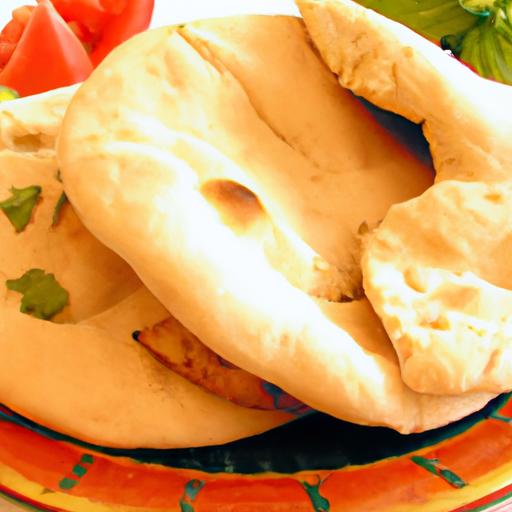

Imagine biting into a warm, pillowy pocket of Whole Wheat Pita bread-soft to the touch, subtly nutty in flavor, and irresistibly wholesome. More than just a staple in Mediterranean kitchens,this humble flatbread has quietly risen to become a nutritious superstar in diets around the world. Packed with fiber,vitamins,and minerals,whole wheat pita not only satisfies your cravings but also supports a healthy lifestyle. In this article, we’ll explore what makes whole wheat pita bread so special, uncover its health benefits, and share tips to enjoy its versatility in creative and appetizing ways. Whether you’re a seasoned baker or a curious foodie, get ready to fall in love with this timeless classic reinvented as a nutritious delight!
Whole wheat pita bread brings a rich, nutty flavor and nourishing fiber to your table, transforming simple meals into wholesome delights. Originating from Middle Eastern kitchens, this ancient flatbread has stood the test of time due to its soft, fluffy texture and incredible versatility. I vividly recall my first bite of freshly baked whole wheat pita, warm and pillow-soft, instantly inspiring me to experiment with fillings and dips that celebrate its hearty character. With this recipe, you can unlock the secret behind that perfect texture and elevate your table with every bite.
Prep and Cook Time
Readiness: 15 minutes
Rising: 1 hour 30 minutes
cooking: 10 minutes
Yield
8 pita breads (about 6 inches each)
Difficulty Level
Medium – Perfect for home bakers ready to explore traditional bread-making with an easy-to-follow approach.
Ingredients
- 2 cups whole wheat flour, sifted
- 1 cup all-purpose flour, sifted (for softer texture)
- 1 ¼ cups warm water (about 110°F / 43°C)
- 2 teaspoons active dry yeast
- 1 teaspoon honey or maple syrup (for yeast activation)
- 1 teaspoon salt
- 2 tablespoons olive oil, plus extra for brushing
Instructions
- Activate the yeast: In a small bowl, combine warm water, honey, and active dry yeast. Stir gently and let it sit for 5-10 minutes until it becomes frothy-a sign the yeast is alive and ready.
- Mix the flours and salt: In a large mixing bowl, whisk together the whole wheat flour, all-purpose flour, and salt to ensure even distribution.
- Combine wet and dry ingredients: Make a well in the center of the flour mixture. Pour in the activated yeast mixture and olive oil. Using a wooden spoon or your hands, mix until the dough begins to come together.
- Knead the dough: Transfer the dough to a lightly floured surface and knead for 8-10 minutes until smooth and elastic. This process develops the gluten that grants pita its trademark airy pockets.
- Let it rise: lightly oil a clean bowl and place your dough inside, turning once to coat with oil. Cover with a damp cloth and let rise in a warm spot for about 1 hour, or until doubled in size.
- Divide and shape: Punch down the dough gently to release trapped air. Divide into 8 equal pieces and shape each into a ball. Allow them to rest for 10 minutes to relax the gluten.
- Roll out the pitas: On a lightly floured surface, roll each dough ball into a 6-inch circle, about ¼ inch thick. Keep them uniform for even puffing.
- Cook the pita: Heat a cast-iron skillet or heavy-bottomed pan over medium-high heat until very hot. Place one circle into the pan and cook for 1-2 minutes until bubbles form.Flip and cook another 1-2 minutes until golden and puffed. Repeat with remaining dough circles.
- Finish and store: Brush warm pitas with olive oil and cover with a clean kitchen towel to maintain softness until serving.For storage, cool entirely and keep in an airtight container or freeze wrapped individually.
Tips for Success
- Warm water is key: Too hot and it kills the yeast; too cold slows the rise. Aim for about 110°F (43°C).
- Don’t skip resting: Allowing the dough to rise and the rolled-out circles to rest ensures tenderness and prevents shrinking.
- Use a hot skillet: High heat encourages puffing as steam forms inside, creating the signature pocket.
- Try adding herbs: For a twist, mix rosemary, za’atar, or garlic powder into the dough during the mixing phase.
- Make ahead: Pitas freeze beautifully and can be reheated in a toaster or oven, wrapped in foil for a fresh-baked taste.
Creative Ways to Enjoy Whole Wheat Pita in Your Meals
Whole wheat pita bread is a canvas for endless culinary possibilities. Slice open a warm pita to cradle creamy hummus and crunchy vegetable crudités for a wholesome snack, or stuff it full with spiced falafel, fresh tabbouleh, and cool tzatziki for a satisfying lunch. Transform it into mini pizzas by spreading tomato sauce, fresh mozzarella, and basil, than broiling until bubbly. For breakfast, tuck in scrambled eggs, avocado, and tomato slices for a hearty start. Don’t forget to crisp leftover pita pieces into homemade chips by seasoning with your favorite spices before baking.
Tips for Choosing and Storing the Freshest Whole Wheat Pita
- Look for softness and pliability: Fresh pita should feel tender, not dry or hard, with a subtle nutty aroma.
- Check the color: whole wheat pita typically showcases a warm, caramel hue. Avoid any with excessive bleaching or overly uniform coloring typical of mass-produced varieties.
- Store properly: Keep pita in a sealed plastic bag or airtight container at room temperature for 2-3 days.For longer storage, freeze pita wrapped carefully to prevent freezer burn.
- Reheat gently: Warm pita wrapped in foil inside a 350°F oven for 5-7 minutes restores softness. Alternatively, a quick toast or skillet warm-up revives texture beautifully.
Nutritional Data
| Per Pita (approx.) | Calories | Protein | Carbohydrates | Fat |
|---|---|---|---|---|
| 1 Whole Wheat Pita | 140 | 5g | 28g | 2g |

For more on healthy bread recipes, check out our comprehensive guide. To deepen your knowledge about the benefits of whole grains, visit the Whole Grains Council.
Q&A
Q&A: Whole Wheat Pita Bread – Nutritious, Soft, and Delicious!
Q1: What makes whole wheat pita bread more nutritious than regular white pita?
A1: Whole wheat pita bread is crafted from whole grain flour, meaning it retains the bran, germ, and endosperm of the wheat kernel. This triad powerhouse delivers a richer supply of fiber, vitamins (like B-complex), minerals (such as iron and magnesium), and antioxidants that are stripped away in refined white flour. So,every bite of whole wheat pita not only delights your taste buds but also fuels your body with nourishing goodness.
Q2: How does whole wheat pita bread maintain such a soft texture despite using whole grain flour?
A2: Grate question! While whole grain flours can sometimes produce denser breads, whole wheat pita is magically soft due to a well-balanced dough-proper hydration, kneading, and sometimes a bit of olive oil or honey help tenderize the crumb. Moreover, the high baking temperatures puff the dough into those iconic pockets, sealing softness inside. It’s a perfect marriage of healthy ingredients and skilled technique.
Q3: can whole wheat pita bread be used in all the same ways as traditional pita bread?
A3: Absolutely! Whole wheat pita is wonderfully versatile. Use it as a sandwich pocket stuffed with your favorite fillings like falafel,grilled veggies,or lean proteins. Tear it into pieces for dipping into hummus, baba ganoush, or tzatziki. You can even slice and toast it for crispy pita chips. It’s the nutritious cousin you’ll want to invite to every meal.
Q4: Is whole wheat pita bread suitable for special diets?
A4: Whole wheat pita fits well into many balanced diets, especially those focusing on whole grains and higher fiber intake. It’s naturally free from animal products, making it vegan-friendly. However, for those with gluten sensitivities or celiac disease, traditional whole wheat pita isn’t suitable due to its wheat content. Always check the ingredient list, and for gluten-free options, seek out specialized recipes or brands.
Q5: How can I bake my own whole wheat pita bread at home?
A5: Baking whole wheat pita at home is a rewarding adventure! Start with whole wheat flour, active yeast, warm water, a pinch of salt, and a little olive oil. Knead until smooth, let the dough rise until doubled, then divide and roll into thin rounds. Bake them in a hot oven (around 475°F or 245°C) for just a few minutes until they puff up and develop that golden hue. The steam trapped inside creates the pocket. Fresh, warm pita straight from your oven is simply unbeatable!
Q6: Why should I choose whole wheat pita bread over other bread types?
A6: Choosing whole wheat pita is choosing a smart, flavorful way to add whole grains to your diet with minimal fuss.Its soft texture appeals to all ages, and the built-in pocket invites all sorts of creative culinary expressions. Plus, the fiber promotes digestive health and provides lasting energy, making it a wholesome staple for anyone seeking both taste and nutrition.
Whether enjoyed stuffed, dipped, or toasted, whole wheat pita bread is a delicious bridge between health-conscious eating and culinary delight. Give it a try-the soft, nutritious pocket of goodness awaits!
Future outlook
In the world of wholesome breads, whole wheat pita stands out not just as a simple staple but as a versatile companion to countless meals. Its soft, pocketed texture invites endless culinary creativity, while its rich nutritional profile fuels your body with the goodness it deserves. Embracing whole wheat pita bread means choosing a delicious path toward better health-one warm, fluffy bite at a time. Whether stuffed with savory fillings or enjoyed alongside your favorite dips, this humble bread proves that nutritious can indeed be irresistibly tasty. So next time you reach for a bread choice, let whole wheat pita remind you that nourishment and flavor can beautifully coexist on your plate.