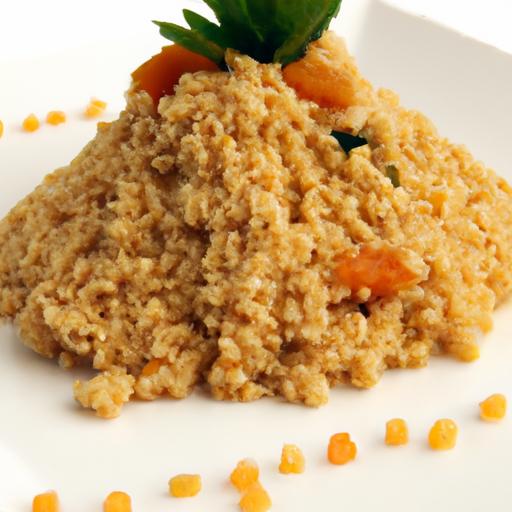

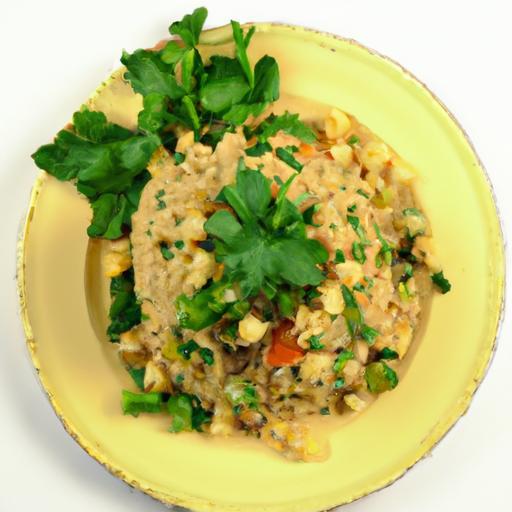
When it comes to versatile grains that effortlessly elevate a meal, couscous has long held a cherished spot on our tables. But what if your favorite fluffy staple could boast an even richer flavor and a hearty nutritional boost? Enter whole wheat couscous-a delightful,nutty twist on the classic grain that’s stealing the spotlight in kitchens around the world. Packed with fiber and a robust, toasty essence, whole wheat couscous transforms everyday dishes into wholesome culinary adventures. Join us as we explore how this humble yet flavorful grain can reinvent your meals,pairing tradition with healthful innovation in every bite.
Whole wheat couscous offers a delightful nutty twist to the prized North african staple, marrying wholesome nutrition with irresistibly satisfying texture. As an ingredient, it lends itself beautifully to vibrant preparations, delivering a fiber-rich alternative to customary refined grains. Embracing whole wheat couscous unlocks complex flavors and hearty benefits that elevate everyday meals into nourishing feasts.
Prep and Cook Time
Prep: 10 minutes | Cook: 10 minutes | Total: 20 minutes
Yield
Serves 4 as a side dish or light main course
Difficulty Level
easy - perfect for beginners and seasoned cooks alike
Ingredients
- 1 ½ cups whole wheat couscous
- 1 ¾ cups vegetable broth, hot
- 2 tablespoons extra virgin olive oil
- 1 small red onion, finely diced
- 2 cloves garlic, minced
- 1 teaspoon ground cumin
- ½ teaspoon smoked paprika
- ½ teaspoon sea salt, or to taste
- Freshly ground black pepper, to taste
- ½ cup toasted slivered almonds
- ½ cup chopped fresh parsley
- Zest and juice of 1 lemon
- 1 cup cherry tomatoes, halved
- Optional: ¼ cup crumbled feta cheese
instructions
- Heat olive oil in a medium saucepan over medium heat. Add the finely diced red onion and sauté until soft and translucent, about 4 minutes.
- Add minced garlic,ground cumin,and smoked paprika to the pan. Sauté for another 1-2 minutes, stirring often to release their aromas without burning.
- Pour the hot vegetable broth into the pan, sprinkle in sea salt, and bring the mixture to a gentle boil.
- Remove the pan from heat,stir in the whole wheat couscous,then cover with a tight-fitting lid. Let it steam undisturbed for 8 minutes to absorb the broth fully.
- Fluff the couscous gently with a fork to separate the grains and create that signature airy texture. Stir in the lemon zest, juice, toasted almonds, chopped parsley, and cherry tomatoes.
- Adjust seasoning with freshly ground black pepper and additional salt if needed. For a creamy contrast, sprinkle with optional crumbled feta cheese.
- Serve warm or at room temperature, garnished with extra parsley and lemon wedges for a fresh finish.
Tips for Success
- Broth is key: Using hot broth rather of water infuses each couscous grain with deeper flavor. Vegetable broth enhances the natural nuttiness of whole wheat couscous.
- Don’t rush steaming: Allowing the couscous to steam undisturbed brings out its fluffy texture-avoid uncovering too soon.
- Toasting nuts: Lightly toast almonds in a dry skillet until golden for a crisp, fragrant crunch that complements the couscous perfectly.
- Variations: Swap almonds for toasted pine nuts or pistachios for a different nutty profile. Add roasted vegetables or chickpeas for a heartier dish.
- Make-ahead: Prepare the couscous base ahead and toss gently with fresh herbs and lemon just before serving to preserve vibrant flavors.
Serving Suggestions
This whole wheat couscous is a versatile canvas that pairs brilliantly with boldly spiced dishes and fresh, vibrant ingredients. Try pairing it with grilled harissa chicken or roasted Mediterranean vegetables for a balanced, colorful plate. Garnish with pomegranate seeds or minced fresh mint to add pops of color and a refreshing contrast. For an elegant, light lunch, serve it chilled as a salad topped with crispy falafel.

Nutritional Information (per serving)
| Calories | Protein (g) | Carbs (g) | Fat (g) |
|---|---|---|---|
| 250 | 7 | 42 | 6 |
For a deeper dive into whole wheat grains and balanced meal ideas, check out our Whole Grain Recipes Guide. To understand more about the nutritional value of whole grains, visit the Whole Grains Council.
Q&A
Q&A: whole Wheat Couscous - A Nutty Twist on a Classic Grain
Q1: What exactly is whole wheat couscous?
A1: Whole wheat couscous is a wholesome variation of traditional couscous, made from whole durum wheat semolina. Unlike its refined counterpart, it retains the bran and germ, giving it a nuttier flavor, chewier texture, and richer nutritional profile. Think of it as couscous with a hearty, healthful upgrade.
Q2: How does whole wheat couscous differ from regular couscous in taste and texture?
A2: whole wheat couscous carries a warm, slightly earthy nuttiness that adds depth to any dish. Its texture is a bit heartier and more considerable – less fluffy, more satisfying. It holds up beautifully in salads and stews, providing a delightful chew rather than a delicate fluff.
Q3: Why should I consider swapping regular couscous for whole wheat?
A3: Nutritionally, whole wheat couscous shines. It offers more fiber, protein, vitamins, and minerals thanks to the whole grain content. This means better digestion, sustained energy, and a lower glycemic index, which helps keep blood sugar steady. Plus, it brings a more complex flavor to the table – a win-win for health and taste.
Q4: Is whole wheat couscous easy to cook?
A4: Absolutely! Cooking whole wheat couscous is just as straightforward as the classic version. Typically, you soak it in boiling water or broth for about 10 minutes, then fluff it with a fork. The key is to use a bit more liquid and a slightly longer soaking time as whole wheat grains absorb more moisture.
Q5: What dishes work best with whole wheat couscous?
A5: Whole wheat couscous is incredibly versatile. It’s perfect in vibrant Mediterranean salads, as a base for roasted veggies and grilled meats, or even stirred into soups and stews for a nutty boost. Try pairing it with smoky spices like cumin and coriander or fresh herbs like mint and parsley to accentuate its earthy charm.
Q6: Can whole wheat couscous be used in gluten-free diets?
A6: Sadly, no.Whole wheat couscous is made from wheat and contains gluten, so it’s not suitable for gluten-free diets. Though, for those who can enjoy gluten, it’s a nutritious alternative to white couscous and other refined grains.
Q7: How should whole wheat couscous be stored to keep it fresh?
A7: Keep it in an airtight container in a cool, dry place - your pantry will do just fine. Whole wheat grains contain natural oils that can go rancid if exposed to heat and air over time. For longer storage, you can refrigerate or freeze it to preserve its nutty freshness.
Q8: Any creative tips for enhancing whole wheat couscous dishes?
A8: Absolutely! Toast the couscous lightly in a dry pan before cooking to amplify its nutty aroma.Add chopped nuts like toasted almonds or pistachios for crunch, dried fruits for sweetness, or a squeeze of lemon and a drizzle of olive oil for brightness. Experimenting with spices, fresh herbs, and a splash of pomegranate molasses can transform your dish into a flavor fiesta.
Whole wheat couscous isn’t just a substitute-it’s a flavorful invitation to reinvent a classic grain with wholesome, nutty charm. Whether you’re crafting a simple side or a vibrant main, this underrated grain promises to elevate your culinary adventures with a tasty, nutritious twist.
Concluding Remarks
Embracing whole wheat couscous is more than just a flavorful detour from the classic grain-it’s a wholehearted celebration of texture, nutrition, and versatility. With its nutty undertones and wholesome crunch, this humble ingredient elevates everyday meals into nourishing adventures. whether tossed with vibrant veggies, infused with aromatic spices, or served as a bed for robust proteins, whole wheat couscous invites you to rethink and rediscover the grain bowl.So next time you’re seeking a satisfying yet healthful twist, let whole wheat couscous be your go-to, turning simple dishes into culinary stories worth savoring.