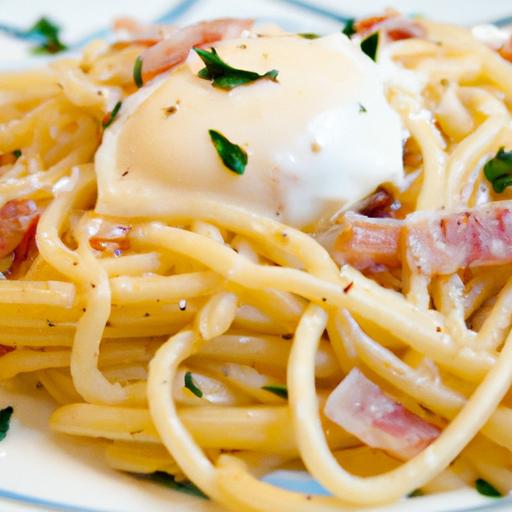

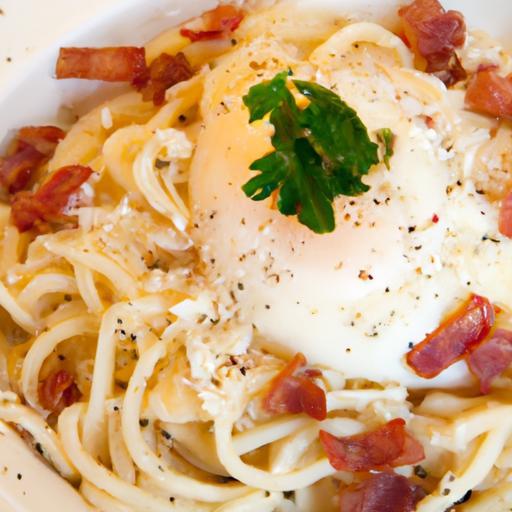
In the heart of Italy’s rich culinary tapestry lies a dish that’s as simple as it is sumptuous: Spaghetti Carbonara. This creamy classic, veiled in silky eggs, savory pancetta, and a symphony of freshly ground black pepper, has captured the appetites and imaginations of food lovers worldwide. Yet beneath its seemingly straightforward ingredients lies a story steeped in tradition, technique, and a touch of culinary mystery. Join us as we unlock the secrets of Italy’s beloved Carbonara, exploring its authentic roots, the art of perfecting its luscious sauce, and why this timeless recipe continues to enchant palates across generations.
Unlocking Spaghetti Carbonara unveils one of Italy’s most beloved and deceptively simple dishes, where tradition meets flavorful comfort on every plate. Originating from Rome, this iconic recipe has fascinated chefs and food lovers alike due to its elegant use of minimal ingredients and a technique that transforms humble staples into a creamy, luscious sauce without a single drop of cream.
Prep and Cook Time
Readiness: 10 minutes
Cooking: 20 minutes
Total Time: 30 minutes
Yield
Serves 4 generous portions
Difficulty Level
Medium – Requires attention to timing and technique but well within reach of home cooks
Ingredients
- 400g spaghetti (choose a high-quality, bronze-cut pasta for best texture)
- 150g guanciale, diced (classic pork cheek-substitute pancetta if unavailable)
- 3 large fresh egg yolks
- 1 large whole egg
- 1 cup freshly grated Pecorino Romano cheese
- Freshly ground black pepper, to taste
- Salt for pasta water
Instructions
- Boil the pasta: Bring a large pot of salted water to a rolling boil. Cook the spaghetti until just shy of al dente (about 1 minute less than package instructions) for a perfect tender bite that absorbs the sauce.
- Prepare the guanciale: Simultaneously occurring, sauté the diced guanciale in a large skillet over medium heat. Cook until the fat renders and the meat turns golden and crisp, about 5-7 minutes. stir occasionally to prevent sticking.
- Mix the sauce base: In a bowl, whisk together the egg yolks, whole egg, and grated Pecorino Romano. Season generously with freshly ground black pepper. Set aside.
- Combine pasta and guanciale: Drain the pasta, reserving one cup of the starchy cooking water. Add pasta directly to the skillet with guanciale (heat off to prevent scrambling the eggs).
- Create the sauce: Pour the egg and cheese mixture over the pasta, tossing quickly and continuously to emulsify the sauce.Add reserved pasta water a few tablespoons at a time to achieve a silky, creamy consistency that clings beautifully. The residual heat gently cooks the eggs, building a luscious coating.
- Adjust seasoning: Taste and add more Pecorino or black pepper as desired. Serve immediately for optimal creaminess.
Chef’s Notes: Tips for Success
- Authenticity matters: Using guanciale and Pecorino Romano are key to capturing the original flavor profile. Pancetta and Parmigiano can be used but will subtly shift the dish’s character.
- Temperature control: Mix the sauce off direct heat to prevent the eggs from scrambling, ensuring a smooth and glossy coating.
- Pasta water magic: The reserved starchy water is your secret weapon to adjust sauce thickness and help it cling.
- freshly cracked pepper: Adding copious black pepper introduces a peppery warmth that balances the creamy richness.
- Make-ahead: While best served immediately, you can prepare guanciale in advance and warm the sauce gently over low heat, whisking in pasta water as needed.
Serving Suggestions to Complement Italy’s Creamy Classic
Present your carbonara in warm shallow bowls, garnished with an extra dusting of Pecorino Romano and a fresh crack of black pepper for the ultimate visual and flavor boost. Pair this dish with a crisp Italian white wine like Frascati or Verdicchio to cut through the richness gracefully. A simple green salad with a light lemon vinaigrette or roasted seasonal vegetables complements without overpowering the creamy fundamentals. For bread lovers, a crusty ciabatta or focaccia serves as a perfect vehicle to mop up any remaining sauce, transforming every dinner into a truly authentic Roman experience.
| Nutrient | Per Serving |
|---|---|
| Calories | 520 kcal |
| Protein | 25 g |
| Carbohydrates | 55 g |
| Fat | 20 g |
Learn more about carbonara history and variations
Explore our Italian Pasta Classics collection for more inspiring recipes to perfect your Italian cooking skills.

Q&A
Q&A: Unlocking Spaghetti Carbonara – Italy’s Creamy classic Recipe
Q1: What makes Spaghetti Carbonara truly “classic” in Italian cuisine?
A1: At its heart, classic Spaghetti Carbonara is simplicity perfected. It’s a harmonious blend of a few humble ingredients-pasta, cured pork (traditionally guanciale), eggs, pecorino romano cheese, black pepper, and a little pasta water-that come together to create a creamy, velvety sauce without any actual cream. This minimalist approach is what makes Carbonara not just a dish, but a timeless symbol of Roman culinary artistry.
Q2: Why is there no cream in authentic Carbonara?
A2: Despite many international versions invoking cream to achieve the sauce’s silkiness, Italians rely on the magic of eggs and cheese emulsified with hot pasta water.The heat from the freshly cooked spaghetti gently cooks the eggs, creating a luscious coating that’s indulgent yet airy. Adding cream actually dilutes the delicate balance and authenticity of the dish.Q3: Can I substitute guanciale if I can’t find it?
A3: While guanciale (cured pork jowl) offers a distinctive richness and slightly sweet, porky flavor, pancetta (Italian cured pork belly) is the most common and acceptable substitute.Bacon,though often used outside Italy,introduces smokiness that deviates from tradition but can still yield delicious results in a pinch.
Q4: What’s the secret to getting that perfectly creamy sauce without scrambling the eggs?
A4: Timing and temperature are key! The pasta should be hot but not so hot that it cooks the eggs too quickly. Removing the pan from direct heat before tossing in the egg mixture helps prevent scrambling. Stirring vigorously and incorporating a splash of reserved starchy pasta water gradually creates that luscious, glossy texture.
Q5: Is Parmesan cheese acceptable in Carbonara?
A5: Technically, the classic recipe calls for Pecorino Romano, a salty, sharp sheep’s milk cheese that packs a bold punch. Parmesan (Parmigiano-Reggiano), being milder and nuttier, may be blended in by some cooks, but purists consider Pecorino essential for true Roman flavor.
Q6: How did Carbonara originate?
A6: The origins of Carbonara are part history, part legend. One popular theory traces it to Italian charcoal workers (“carbonari”), who crafted a hearty, speedy meal with readily available ingredients. Others suggest the dish evolved post-World War II from american soldiers’ introducing powdered eggs and bacon. Nonetheless, its rise to fame embodies the ingenuity and resourcefulness of Italian cooking.
Q7: Any creative twists that still respect the spirit of Carbonara?
A7: While tradition is sacred, modern chefs experiment with adding peas, mushrooms, or even swapping spaghetti for bucatini or rigatoni. Some infuse the guanciale fat with garlic or chili flakes to add subtle layers of flavor. The key is to maintain that silky, egg-cheese emulsion and celebrate the pork’s savory crunch.
Q8: Can Carbonara be made ahead or reheated?
A8: Carbonara is best enjoyed immediately, straight off the stove, when the sauce is at its creamiest. reheating tends to scramble the egg and toughen the pasta, losing that decadent texture.If you must prepare in advance, keep components separate and combine them gently just before serving.
Q9: What wine pairs well with Carbonara?
A9: A crisp, lively white wine cuts through the richness wonderfully.Think Italian whites like Frascati or Verdicchio, or a dry Pinot Grigio. For red lovers,a light-bodied,low-tannin wine such as a young Chianti can complement the pork’s saltiness without overpowering.
Q10: How can I elevate my homemade Carbonara to authentic Italian standards?
A10: Source the best ingredients you can-artisan pasta, real guanciale, and fresh pecorino Romano. Use your pasta water mindfully, respect the technique of tempering eggs off the heat, and savor every forkful as a party of Italian culinary heritage. After all, Carbonara is not just food; it’s an experience wrapped in creamy, peppery comfort.
In Summary
As the final forkful of Spaghetti Carbonara melts on your tongue, you’ll realize that this deceptively simple Roman classic holds a world of tradition, technique, and flavor within its creamy strands. Unlocking Carbonara isn’t just about following a recipe-it’s about embracing a culinary heritage that celebrates the perfect harmony of eggs, cheese, guanciale, and pasta. So, whether your stirring in your first silky batch or reinventing the classic with a modern twist, remember: each plate tells a story of Italy’s timeless love affair with food, one creamy swirl at a time. Buon appetito!