
In a world where culinary trends come and go, whole wheat pasta stands as a timeless champion-ready to transform ordinary meals into vibrant celebrations of flavor and nutrition. Often overlooked in favor of its refined counterpart, this humble grain-based staple holds the key to unlocking a richer taste experience while delivering a powerful health boost. From its nutty aroma to its satisfying texture, whole wheat pasta invites us to savor every bite with intention and vitality. Join us as we explore how embracing whole wheat pasta not only elevates your dishes but also nourishes your body, proving that wholesome eating can be both delicious and deeply rewarding.
Unlocking Flavor and Health: The Power of Whole Wheat Pasta transforms a simple staple into a nutrient-rich, palate-pleasing experience that elevates both your meals and wellness. Originating from conventional Italian kitchens where whole grains were prized for their robust nourishment, this pasta variant carries deep, nutty undertones that beautifully complement a wide array of sauces and ingredients. Whether you’re a passionate home cook or a seasoned foodie, embracing whole wheat pasta invites new textures and complexities that redefine comfort food with every forkful.
Prep and Cook Time
Prep Time: 10 minutes
cook Time: 8-10 minutes
Yield
Serves 4 generous portions
difficulty Level
Easy
the Nutritional Benefits That Make Whole Wheat Pasta a Superfood
Whole wheat pasta is a nutritional powerhouse packed with dietary fiber, essential minerals such as magnesium and zinc, and B-vitamins that support metabolism and energy production. Compared to refined pasta, its higher fiber content aids digestion, helps maintain stable blood sugar levels, and promotes satiety-making it ideal for balanced eating.
Beyond macronutrients, whole wheat pasta contains antioxidants found in the bran and germ layers, which contribute to anti-inflammatory benefits and improved heart health. Incorporating this superfood regularly can enrich your diet while satisfying your cravings for hearty, flavorful pasta dishes.
How Whole Wheat Pasta Enhances Flavor Complexity in Every Dish
The rich, slightly earthy flavor of whole wheat pasta adds a nuanced depth that contrasts beautifully with vibrant sauces and fresh herbs. Unlike its refined counterpart, its grain-forward taste intensifies the profile of even simple preparations-think a drizzle of extra virgin olive oil, garlic, and chili flakes revealing enhanced toasted notes.
The texture, more firm and chewy, encourages slow, thoughtful eating and pairs exceptionally with robust pairings like caramelized vegetables, spicy arrabbiata, or creamy nut-based sauces. By choosing whole wheat pasta,you invite layers of taste complexity that invigorate your senses and elevate everyday dining.
Cooking Techniques to Maximize Texture and Taste of Whole Wheat pasta
To get the best texture and flavor from whole wheat pasta, start by bringing a large pot of well-salted water to a vigorous boil. Whole wheat pasta benefits from slightly longer cooking times to soften its fibrous structure but be careful not to overcook-aim for al dente to maintain the satisfying bite.
after draining, briefly toss the pasta in the pan with your sauce or a splash of reserved pasta water.This step not only helps meld flavors but also enhances the pasta’s silkiness without diluting its natural nuttiness.
For an added dimension,try lightly toasting dried whole wheat pasta in a pan before boiling-it accentuates its inherent toasty aromas and intensifies flavor layers.Always finish dishes with fresh herbs or a sprinkle of aged cheese to balance and brighten the whole wheat profile.
Incorporating Whole Wheat Pasta into Balanced and Delicious Meal Plans
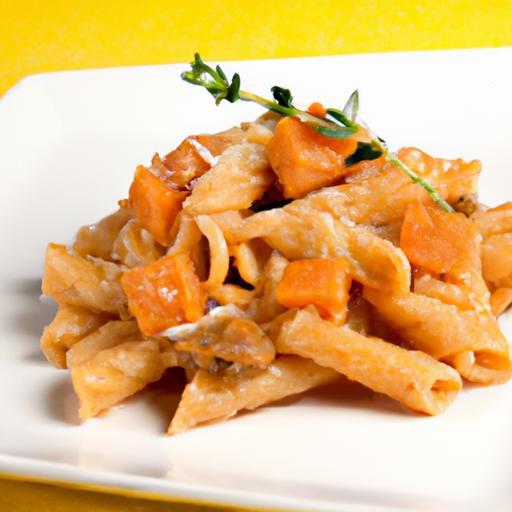
Integrate whole wheat pasta into your weekly menu as a nutritious base paired with colorful vegetables, lean proteins, and heart-healthy fats. From vibrant Mediterranean bowls loaded with olives, sun-dried tomatoes, and grilled chicken to autumnal recipes featuring roasted squash and sage brown butter, whole wheat pasta adapts effortlessly to seasonal and dietary preferences.
Try creating balanced bowls with a veggie-forward sauce-like a chunky ratatouille or mushroom ragù-to maximize fiber and micronutrients while keeping meals light yet satisfying. Adding a handful of toasted nuts or seeds on top introduces texture and wholesome fats,rounding out the nutritional profile.
For a quick workweek dinner, toss cooked whole wheat pasta with fresh spinach, garlic, lemon zest, and a drizzle of pesto-it’s both refreshing and nourishing, proving that healthy eating can be unequivocally delicious.
Ingredients
- 12 oz whole wheat pasta (spaghetti or penne works beautifully)
- 2 tbsp extra virgin olive oil
- 3 cloves garlic, thinly sliced
- 1 cup cherry tomatoes, halved
- 1 cup fresh spinach
- 1/4 cup toasted pine nuts (optional)
- 1/4 tsp red chili flakes (adjust to taste)
- Salt to taste
- Freshly cracked black pepper to taste
- 1/4 cup grated Parmesan cheese or vegan alternative
- Fresh basil leaves for garnish
Instructions
- Bring a large pot of salted water (at least 1 tbsp salt per 4 quarts) to a rolling boil. Add the whole wheat pasta and stir occasionally to prevent sticking.
- Cook untill al dente, about 8-10 minutes depending on package instructions. Reserve 1/2 cup pasta water before draining.
- In a large skillet, heat olive oil over medium heat. Add sliced garlic and sauté until golden and fragrant, about 2 minutes, stirring often to avoid burning.
- Add cherry tomatoes and chili flakes to the skillet. Cook until tomatoes soften and start releasing juices, approximately 5 minutes.
- toss in fresh spinach and cook until just wilted, about 1-2 minutes. Season with salt and pepper.
- Combine drained pasta with the vegetable mixture in the skillet.Add reserved pasta water incrementally to create a light sauce coating the strands.
- Stir in toasted pine nuts for crunch, and adjust seasoning as needed.
- Plate the pasta and garnish generously with grated Parmesan and fresh basil leaves for vibrant aroma and color.
Chef’s Notes
- For a gluten-free alternative with similar flavor integrity, swap whole wheat pasta with a blend of chickpea or lentil-based pasta.
- Lightly toasting pine nuts before adding them blossoming their nutty flavor enhances texture contrast.
- Preserve the pasta water-it contains starch that helps bind sauces for creamier consistency without extra fat.
- Make ahead: Cook pasta and sauce separately; reheat together briefly with a splash of pasta water to revive the dish.
- For a richer sauce, stir in a spoonful of ricotta or a dairy-free cream right before serving.
Serving Suggestions
This dish shines when paired with a crisp green salad dressed in lemon vinaigrette or alongside roasted seasonal vegetables like asparagus or zucchini blossoms.Serve in deep bowls to catch every savory drip of sauce, garnished with freshly cracked pepper and a scattering of vibrant basil leaves, inviting the eye as you savor its warm, rustic charm.
| Nutrient | Per Serving |
|---|---|
| Calories | 370 kcal |
| Protein | 12 g |
| Carbohydrates | 62 g |
| Fat | 8 g |
| Dietary Fiber | 8 g |

For more wholesome pasta recipes and tips,explore our collection of healthy pasta recipes. To delve into the science behind whole grains and heart health, visit American Heart Association.
Q&A
Unlocking Flavor and Health: The Power of Whole Wheat Pasta – Q&A
Q1: What makes whole wheat pasta different from regular pasta?
A: Whole wheat pasta is made from whole grain wheat, which means it retains the bran, germ, and endosperm. Unlike refined pasta that uses only the starchy endosperm, whole wheat pasta is richer in fiber, vitamins, and minerals. This not only gives it a nuttier, more complex flavor but also boosts its nutritional profile significantly.
Q2: How does whole wheat pasta enhance flavor in dishes?
A: the slight nuttiness and earthiness of whole wheat pasta add depth and dimension to any dish-it’s like a subtle symphony of flavors. This complexity complements robust sauces like tomato basil, mushroom ragù, or even spicier options, creating a more satisfying palate experience.
Q3: Is whole wheat pasta healthier than regular pasta?
A: Absolutely! Whole wheat pasta contains more dietary fiber,which supports digestion and helps keep you fuller longer.It also has a lower glycemic index, meaning it won’t cause blood sugar spikes as quickly. Plus, it’s packed with essential nutrients like iron, magnesium, and B vitamins frequently enough lost in refined pastas.
Q4: Can whole wheat pasta be just as tasty and versatile in recipes?
A: Yes! While its texture is a bit heartier and its flavor more pronounced, whole wheat pasta pairs beautifully with everything from light olive oil and garlic dressings to rich, creamy sauces. Cooking it properly-al dente with a bit of bite-lets it shine without overpowering your favorite ingredients.
Q5: Any tips for cooking whole wheat pasta perfectly?
A: As whole wheat pasta is denser,it benefits from a bit more boiling time-usually 1-2 minutes longer than regular pasta. Stir frequently to prevent sticking, and be sure to salt your water generously to enhance taste. A quick rinse after draining can help if you plan to use it in cold salads.Q6: Who would most benefit from incorporating whole wheat pasta into their diet?
A: Anyone looking to boost their fiber intake, improve heart health, or enjoy a more nutrient-dense diet can benefit. It’s especially great for those managing blood sugar levels or seeking sustained energy from meals. Plus, it’s a delicious way to add more whole grains into everyday eating.Q7: How can whole wheat pasta contribute to a sustainable diet?
A: Whole grains like wheat are often less resource-intensive compared to highly processed white flour. Choosing whole wheat pasta supports sustainability by encouraging the consumption of minimally processed foods and reducing waste from milling processes. Eating whole grains aligns with a mindful,earth-friendly approach to food.
Q8: Ready to make the switch-any final encouragement?
A: Embrace the full-bodied taste and hearty texture of whole wheat pasta as a culinary adventure that nourishes both your body and your taste buds. It’s not just a swap-it’s an upgrade that transforms familiar meals into flavorful, healthful experiences. Your palate-and your wellness-will thank you!
To Conclude
In the world of pasta, whole wheat is more than just a wholesome alternative-it’s a gateway to unlocking layers of rich, nutty flavor and a treasure trove of nutritional benefits. By embracing whole wheat pasta, you invite your palate on a journey that marries taste with wellness, proving that healthy choices need not be bland or boring. So next time you reach for that familiar box, consider the power packed inside whole wheat grains: a simple switch that transforms every dish into a vibrant celebration of flavor and vitality. Unlock the full potential of your meals, and let whole wheat pasta be the delicious foundation of your healthy lifestyle.