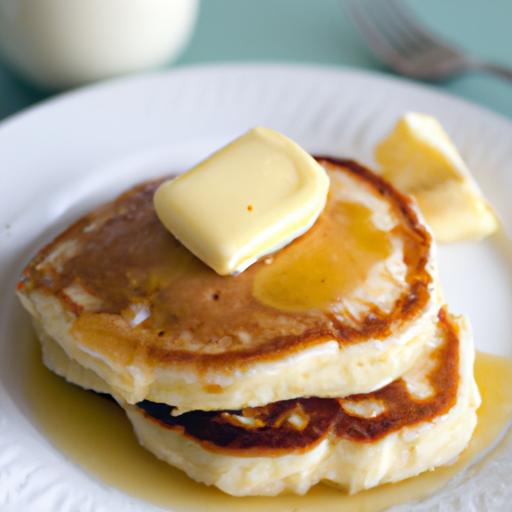

There’s something undeniably magical about biting into a stack of perfectly fluffy buttermilk pancakes-their tender crumb, light as a cloud, coupled with just the right hint of tangy sweetness. Yet, achieving that ideal texture can feel like a culinary mystery reserved for seasoned pros or lucky few. What if the secret to those irresistibly soft, airy pancakes wasn’t hidden in a special ingredient or a rare technique, but in a handful of straightforward tips and simple science? In this article, we’ll unravel the secrets behind crafting buttermilk pancakes so delightfully fluffy they’ll become your go-to breakfast masterpiece every single time. Prepare to flip your pancake game upside down and savor breakfast perfection like never before.
Perfectly fluffy buttermilk pancakes begin with choosing the ideal ingredients that create the lightest,airiest texture,giving you breakfast brilliance every time. The magic lies in balancing fresh buttermilk with the precise amount of leavening agents, while delicate folding techniques preserve the air bubbles essential for that cloud-like softness.
Prep and Cook Time
- Preparation: 10 minutes
- Cooking: 15 minutes
- Total Time: 25 minutes
Yield
Serves 4 (about 8 pancakes)
Difficulty Level
Easy to Medium – perfect for both beginner and seasoned home cooks
Ingredients
- 1 cup all-purpose flour, sifted for a lighter batter
- 1 tablespoon granulated sugar to enhance browning
- 1 teaspoon baking powder
- 1/2 teaspoon baking soda for leavening balance
- 1/2 teaspoon fine sea salt
- 1 cup buttermilk, well-shaken and at room temperature
- 1 large egg, lightly beaten
- 2 tablespoons unsalted butter, melted and slightly cooled
- Butter or oil for the skillet
Instructions
- Combine dry ingredients: In a large bowl, whisk together the all-purpose flour, sugar, baking powder, baking soda, and salt untill fully blended and aerated. this sets the stage for your fluffy texture.
- Mix wet ingredients: In a separate bowl, whisk the buttermilk, egg, and melted butter until smooth and glossy.
- Integrate wet and dry: Pour the wet mixture into the dry ingredients and gently fold with a rubber spatula. Stop folding as soon as no dry streaks remain; avoid overmixing to keep those precious air bubbles intact.
- Heat your skillet: Place a non-stick or cast-iron skillet over medium heat. Lightly grease with butter or oil, wiping excess to prevent sizzling.
- Cook pancakes: Using a 1/4-cup measuring cup, scoop batter onto the skillet. cook until small bubbles form on the surface and edges look set, about 2-3 minutes.
- Flip and finish: Flip gently with a thin spatula to avoid deflating the pancake. Cook the other side for 1-2 minutes until golden brown and cooked through.
- Keep warm: Transfer pancakes to a warm plate and cover with foil while cooking remaining batter to retain their fluffiness and warmth.
Tips for Success
- Use fresh buttermilk: The acidity tenderizes gluten and activates the baking soda, contributing to maximum fluffiness.
- Balance your leavening: Too much baking soda can cause a metallic taste, while too little results in dense pancakes – the balance here is key.
- Rest your batter: Let the batter sit for 5 minutes after mixing to hydrate the flour, helping pancakes rise evenly.
- Fold gently: Overmixing collapses the batter’s air pockets. Fold just enough to blend for the lightest texture.
- control heat: Medium heat is best-too hot burns the outsides while leaving the insides uncooked.
- Make-ahead option: prepare batter the night before and refrigerate; give it a gentle stir before cooking.
Serving Suggestions
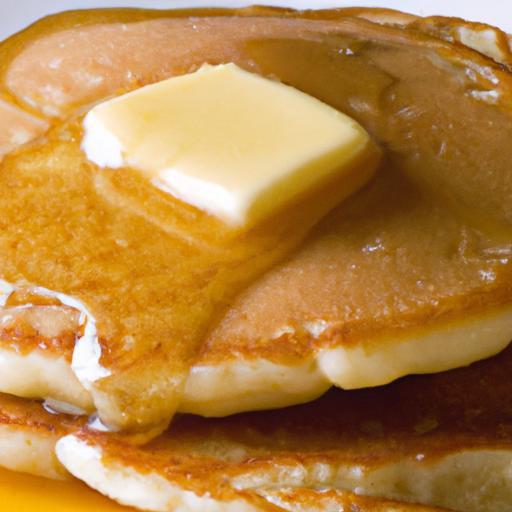
Serve your fluffy buttermilk pancakes stacked, topped with a pat of melting butter and drizzled generously with maple syrup. For an elevated touch, add fresh berries, a dusting of powdered sugar, or a dollop of whipped cream. Sprinkle toasted nuts or a few chocolate chips into the batter before cooking for delightful bursts of texture and flavor.Accompany with a steaming cup of coffee or fresh orange juice for a brunch experience that feels both indulgent and comforting.

| Nutrient | Per Serving |
|---|---|
| Calories | 220 |
| Protein | 6g |
| Carbohydrates | 28g |
| Fat | 9g |
For a deeper dive into the science behind perfect pancake fluffiness, consider visiting Serious Eats’ expert explanation. Also,for creative topping ideas and variations,explore our Creative Pancake Toppings Guide.
Q&A
Q&A: Secrets to Perfectly Fluffy Buttermilk Pancakes Every Time
Q1: What makes buttermilk pancakes fluffier then regular pancakes?
A: Buttermilk pancakes get their fluffiness from the tangy acidity in buttermilk,which reacts with baking soda or baking powder to create tiny carbon dioxide bubbles. These bubbles expand during cooking, giving the pancakes their signature light and airy texture. It’s a little bit of kitchen chemistry that works deliciously every time!
Q2: How important is the mixing technique when making pancake batter?
A: Mixing technique is crucial! Overmixing the batter develops gluten and can make pancakes tough and dense. The secret is to gently fold the wet and dry ingredients together until just combined – a few lumps are okay. This preserves the tender crumb and keeps your pancakes fluffy.
Q3: Can I substitute buttermilk if I don’t have any on hand?
A: Absolutely! If you don’t have buttermilk, mix 1 tablespoon of white vinegar or lemon juice into 1 cup of milk and let it sit for 5-10 minutes. This DIY buttermilk is acidic enough to activate the leavening agents and keep that fluffy texture intact.
Q4: Does the temperature of the griddle or pan matter?
A: Yes, the griddle’s heat is a game-changer. Medium heat is best – too hot and the pancakes burn on the outside while remaining raw inside; too cool and they won’t rise properly or get that golden crust. Preheat and test with a drop of water – if it dances and evaporates quickly, you’re ready to cook.
Q5: How can I tell when it’s time to flip the pancake?
A: look for bubbles forming and popping on the surface-this is your cue. Edges will also start to look set and slightly dry. Flip gently and cook just until the second side is golden brown. Timing is key to keeping them fluffy, not rubbery.
Q6: Are there any secret ingredients or tips for extra fluffiness?
A: Adding a teaspoon of baking powder alongside baking soda can boost fluffiness. Also, separating the egg whites from the yolks, whipping the whites until they form soft peaks, then folding them into the batter can add extra lift. Lastly,don’t rush-letting the batter rest 10 minutes before cooking allows bubbles to develop and gluten to relax.
Q7: What’s the best way to keep pancakes fluffy after cooking?
A: Keep cooked pancakes warm on a baking sheet in a low oven (about 200°F/90°C) covered loosely with foil. Stacking them right away traps steam and makes them soggy, so a short wait between cooking and serving helps maintain that perfect fluffy texture.
With these secrets in your culinary arsenal, you’re on the fast track to pancake perfection-fluffy, tender, and irresistibly tasty every time!
The Conclusion
Mastering the art of perfectly fluffy buttermilk pancakes is more than just following a recipe-it’s about understanding the subtle dance between ingredients, technique, and patience. With these secrets in your culinary toolkit, each batch will rise to golden, cloud-like perfection, turning every breakfast into a comforting party.So next time you crave that melt-in-your-mouth texture, remember: the magic lies not just in the buttermilk, but in the loving details you bring to the griddle.Happy flipping!