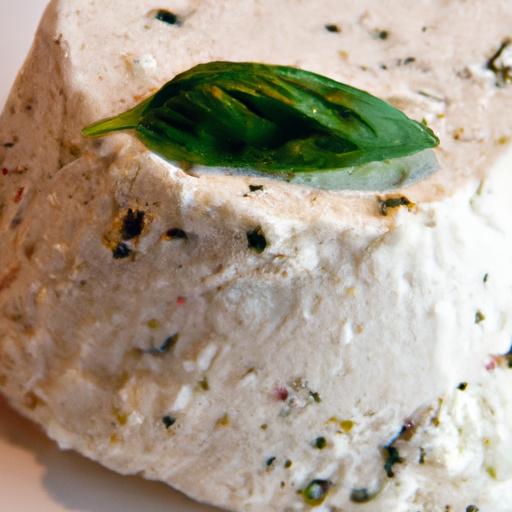

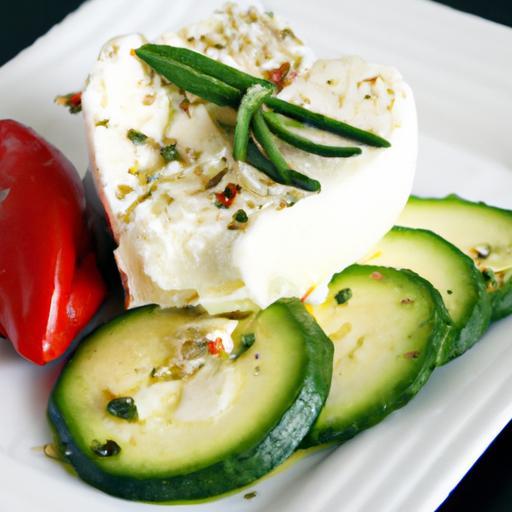
In the vast world of cheeses, ricotta has long been celebrated for its luscious creaminess and delicate flavor-a perfect companion to both savory dishes and sweet indulgences. But what if you could enjoy that velvety texture and rich taste without the guilt of excess calories? Enter low-fat ricotta cheese: a culinary revelation that marries wholesome nutrition with creamy satisfaction. This reinvented classic offers all the comfort of conventional ricotta, thoughtfully crafted to fit into a balanced lifestyle. Whether you’re a passionate home cook or simply seeking a lighter alternative, low-fat ricotta invites you to savor every bite with confidence and delight.
Low-fat ricotta cheese opens the door to indulgence without compromise, delivering a delightfully creamy texture that manages to surprise the palate with its rich mouthfeel despite its reduced fat content. This versatile dairy gem serves as a canvas for countless dishes, infusing them with smoothness and subtle tang while keeping calories in check.Whether you’re crafting a luscious lasagna or a lightened dessert, this ingredient proves that healthy can indeed be heavenly.
Prep and Cook Time
Preparation: 10 minutes | Cooking: 15 minutes (if cooking)
Yield
Serves 4 generous portions
Difficulty level
Easy – Perfect for both beginners and seasoned cooks looking to add a nutritious twist
Ingredients
- 1 cup low-fat ricotta cheese, well-drained
- 2 large eggs, lightly beaten
- 1/2 cup fresh spinach, chopped finely
- 1/4 cup grated Parmesan cheese
- 1 clove garlic, minced
- Salt and freshly ground black pepper to taste
- 1 tablespoon olive oil
- Optional: 1/4 teaspoon crushed red pepper flakes for a gentle kick
- Fresh basil leaves, for garnish
Instructions
- In a medium bowl, gently fold together the low-fat ricotta cheese, beaten eggs, chopped spinach, minced garlic, and Parmesan cheese until smooth and evenly combined.
- Season the mixture with salt, pepper, and optional red pepper flakes. Stir gently to incorporate the flavors without breaking the delicate ricotta texture.
- Heat the olive oil in a non-stick skillet over medium heat. Once shimmering, spoon dollops of the ricotta mixture into the pan, shaping them into 3-inch patties.
- sauté until the undersides are golden brown and set, about 4-5 minutes. Carefully flip each patty and cook the other side for an additional 3-4 minutes. The patties should feel firm but still creamy inside.
- Transfer to a warm plate and garnish with fresh basil leaves for a fragrant pop of color and flavor.
- Serve immediately alongside a crisp green salad or nestled on whole-grain toast for a wholesome brunch option.
Chef’s Notes
- Variation: For a Mediterranean twist, add chopped sun-dried tomatoes and olives to the ricotta mixture before cooking.
- Substitute: If fresh spinach isn’t available, sauté frozen spinach until excess moisture evaporates, then cool before mixing in.
- Make-ahead tip: prepare patties in advance and refrigerate on a parchment-lined tray; reheat gently in a skillet to regain their crispy edges.
- Prevent wateriness: Drain the ricotta in a fine mesh sieve for 15 minutes before using to achieve ideal creaminess without excess liquid.
Serving Suggestions
This dish thrives when paired with vibrant, fresh accompaniments. Drizzle a few drops of high-quality extra virgin olive oil across the patties and finish with a handful of toasted pine nuts for textural contrast. Pair with a side of roasted cherry tomatoes or atop a bed of lightly dressed arugula to awaken the palate. For a sweet counterbalance, a dollop of lemon zest-infused Greek yogurt complements the mild, creamy flavor perfectly.

| Nutrient | Per Serving |
|---|---|
| Calories | 160 kcal |
| Protein | 14 g |
| Carbohydrates | 4 g |
| Fat | 6 g |
Understanding the nutritional profile of low-fat ricotta cheese illustrates why it’s such a smart choice for health-conscious cooks.Lower in fat yet rich in protein, it helps support muscle repair and satiety without overwhelming your calorie budget. Its calcium content also promotes bone health, making it a multifaceted powerhouse in your refrigerator.
To maintain its freshness, store low-fat ricotta cheese in the coldest part of your fridge, tightly sealed to prevent absorption of external odors. Consume within a week of opening for optimal creaminess and flavor. To extend its shelf life, consider freezing in ice cube trays for easy portioning in cooked dishes.
Explore more innovative recipes featuring low-fat ricotta cheese in our Healthy Cheese Recipes collection or dive deeper into its benefits on trusted sources like ChooseMyPlate.gov.
Q&A
Q&A: Low-Fat Ricotta Cheese – Creamy Taste with Fewer Calories
Q1: What makes low-fat ricotta cheese different from regular ricotta?
A1: Low-fat ricotta cheese is crafted by reducing the fat content typically found in traditional ricotta, while preserving its signature creamy texture. This means you get the luscious, slightly sweet flavor of ricotta without the extra calories that come from full-fat versions. It’s like enjoying the best of both worlds-decadence and diet-consciousness!
Q2: How does low-fat ricotta maintain its creamy texture despite less fat?
A2: Clever cheesemakers use a blend of techniques, such as adjusting the milk proteins and carefully controlling the moisture content, to keep low-fat ricotta irresistibly smooth. The result is a cheese that feels just as rich on your palate without the heaviness-think of it as a silky cloud that won’t weigh you down.
Q3: Why should I consider substituting low-fat ricotta for regular ricotta in my recipes?
A3: Substituting low-fat ricotta is a smart choice if you’re looking to cut down on calories and saturated fats without sacrificing flavor or texture. It works beautifully in everything from creamy pastas and lasagnas to desserts like cheesecake or cannoli filling-letting you indulge guilt-free!
Q4: Can low-fat ricotta cheese be used in both savory and sweet dishes?
A4: Absolutely! Its mild, slightly sweet flavor makes it a versatile ingredient. Use it to enrich savory dishes like stuffed shells, frittatas, or dips-or add it to your sweet treats like fruit parfaits, smoothies, and baked goods. Low-fat ricotta is a culinary chameleon that enhances any dish with creamy goodness.
Q5: Is low-fat ricotta a good source of protein?
A5: Yes! Low-fat ricotta retains much of the protein content found in regular ricotta, making it a great addition to a balanced diet. Protein helps keep you satiated, supports muscle health, and boosts energy-so you get nutritional benefits alongside fewer calories.
Q6: How should I store low-fat ricotta to keep it fresh and tasty?
A6: Like most fresh cheeses, low-fat ricotta is best kept refrigerated and tightly sealed to maintain moisture and prevent absorbing other fridge odors. Use it within a week of opening for peak freshness, and don’t hesitate to stir gently before using to restore its creamy texture.
Q7: Are there any cooking tips to get the best out of low-fat ricotta?
A7: Since low-fat ricotta has less fat, it can dry out faster when heated. To counter this, try adding a splash of milk or cream when mixing it into hot dishes. Also, avoid overcooking to preserve its delicate texture-think gentle warming instead of high-heat roasting or frying.
Q8: Where can I find low-fat ricotta cheese?
A8: Low-fat ricotta is becoming increasingly popular and is widely available in most grocery stores, usually in the dairy or specialty cheese section. If you want to get adventurous, some artisanal producers offer creative variations like flavored or organic low-fat ricotta-perfect for adding a gourmet twist to your meals.
Q9: Can low-fat ricotta cheese help with weight management?
A9: Incorporating low-fat ricotta into your diet can certainly assist in calorie control and healthy eating habits. Its satisfying creaminess and protein content mean you’re less likely to feel deprived, making it easier to stick to balanced meals without overindulging.Q10: Any final thoughts on embracing low-fat ricotta cheese?
A10: Low-fat ricotta is a flavorful testament to how food innovation can meet health goals without compromising on taste or texture. It invites you to enjoy creamy indulgence with fewer calories-a perfect way to nourish your body and delight your palate every day!
To Conclude
in the world of wholesome eating, low-fat ricotta cheese stands out as a delightful ally-offering the luscious creaminess you crave without the calorie overload. Whether stirred into savory dishes or blended into sweet treats, this lighter version lets you savor every bite guilt-free. Embracing low-fat ricotta means indulgence and nourishment can coexist beautifully on your plate, proving that healthy choices don’t have to compromise on flavor. So next time you reach for a rich, creamy ingredient, consider low-fat ricotta-where taste meets mindful living in perfect harmony.