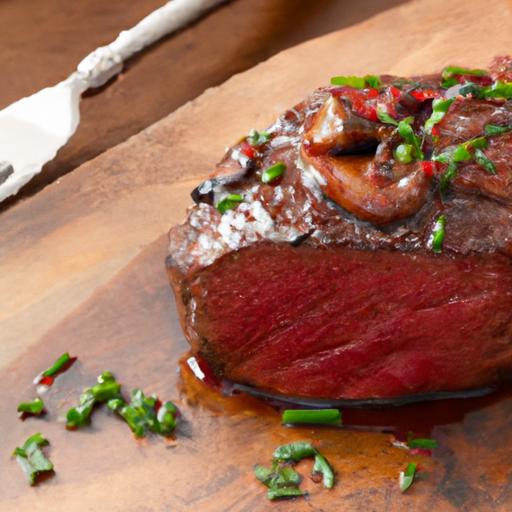

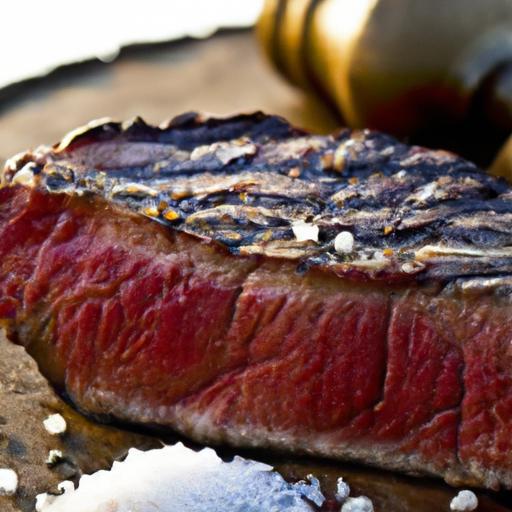
There’s something undeniably satisfying about sinking your teeth into a perfectly cooked steak – the rich aroma, the juicy tenderness, the mouthwatering flavor that dances on your palate. Yet, achieving that flawless cut every time can feel like an elusive art form, reserved for seasoned chefs or lucky grill masters.What if you could unlock the secrets behind steak mastery and transform your cooking game forever? Welcome to “Master the Art: Your Ultimate Steak Cooking Chart Guide” – where science meets sizzle, and precision meets passion. Whether you’re a beginner eager to learn or a culinary enthusiast aiming to refine your technique, this guide will be your trusty companion, breaking down steaks from rare to well-done wiht tips, tricks, and insider knowledge. Prepare to embark on a flavorful journey that turns every steak into a masterpiece.
Master the Art: Your Ultimate Steak Cooking Chart Guide opens the gateway to savoring steak like never before,bringing together expert knowledge on selecting the ideal cut,essential tools,and mastering doneness with unwavering confidence. This journey elevates every bite,unlocking mouthwatering flavor profiles and textures that are sure to delight both novice and seasoned steak enthusiasts.
Prep and Cook Time
Prep: 10 minutes
Cook: 8-15 minutes (depending on doneness and thickness)
Resting: 5 minutes
Yield
Serves 2 people
Difficulty Level
Medium – Perfect for home cooks ready to elevate their steak game with precision
Ingredients
- 2 ribeye steaks, 1-inch thick, preferably USDA Prime for robust marbling
- 1 tbsp kosher salt
- 1 tsp freshly cracked black pepper
- 2 tbsp high smoke point oil (grapeseed or avocado oil)
- 3 cloves garlic, smashed
- 3 sprigs fresh thyme
- 2 tbsp unsalted butter, chilled
Instructions
- Bring steaks to room temperature about 30 minutes before cooking to ensure even doneness throughout.
- Season generously both sides of each steak with kosher salt and freshly cracked black pepper, allowing the salt to penetrate and tenderize.
- Heat a heavy-bottomed cast-iron skillet over medium-high heat untill it’s scorching hot; a drop of water should sizzle and evaporate instantly.
- Add the high smoke point oil and swirl to coat. Place steaks gently in the pan without overcrowding. Sear for 3-4 minutes without moving to develop a rich crust.
- Flip steaks and add the smashed garlic, thyme sprigs, and chilled butter to the pan.
- Baste continuously by tilting the pan and spooning the melted butter over the steaks for an aromatic flavor boost. Cook for another 3-4 minutes for medium-rare doneness, adjusting time based on thickness and preference.
- Remove steaks from the pan and let rest on a cutting board for at least 5 minutes. This allows juices to redistribute for ultimate tenderness.
- Slice against the grain and serve instantly, garnished with fresh thyme or a sprinkle of finishing sea salt.
Tips for Success
- For varied texture and flavor, experiment with cuts like New york strip, filet mignon, or hanger steak, each offering unique marbling and tenderness.
- Use a digital meat thermometer for precision: 125°F for rare, 135°F for medium-rare, and 145°F for medium. For best results, insert thermometer into the thickest part.
- If your skillet smokes excessively,lower the heat slightly or try a thicker cut steak to prevent burning.
- Make-ahead tip: Season steaks the night before and refrigerate uncovered for a dry-brined effect that enhances crust advancement.
- Allow your steak to rest under lose foil if you prefer warmer servings without overcooking.
Serving Suggestions
Present your steak sliced on a warm wooden board or elegant stone platter, accompanied by vibrant roasted garlic mashed potatoes and a bright arugula salad with lemon vinaigrette. A drizzle of herb-infused compound butter or a splash of balsamic glaze adds a gourmet touch. Pair with a full-bodied red wine such as Cabernet Sauvignon or Malbec to complement the rich beef flavors.

| Nutrient | Per Serving |
|---|---|
| Calories | 550 kcal |
| Protein | 48 g |
| Carbohydrates | 2 g |
| Fat | 40 g |
For extended steak mastery, explore our grilling techniques guide.Learn from Serious Eats’ expert steak science for even deeper insight.
Q&A
Q&A: master the Art – Your Ultimate Steak Cooking Chart Guide
Q1: What makes a steak ‘perfectly cooked’?
A1: The “perfect” steak is all about personal taste, but it hinges on hitting the ideal internal temperature for your preferred doneness. From rare to well-done, knowing these temps ensures your steak is juicy, tender, and bursting with flavor every single time.
Q2: Why do I need a steak cooking chart?
A2: Think of a steak cooking chart as your culinary compass.It takes the guesswork out of cooking time and temperature, guiding you step-by-step to steak nirvana. Whether you’re grilling a ribeye or pan-searing a filet, the chart ensures consistent results-no more second-guessing or dry bites!
Q3: How does thickness affect cooking time?
A3: Thickness is the silent game-changer. A thick-cut steak takes longer to reach the perfect temperature, while a thinner cut cooks faster but risks overcooking if you’re not careful. The chart breaks down cooking times by thickness, so you nail the timing like a pro.
Q4: Can I use the chart for different cooking methods?
A4: Absolutely! Whether you’re grilling, pan-searing, broiling, or sous-viding, the chart adapts. It highlights key temperature targets and approximate times, helping you tailor your approach to any technique without sacrificing flavor or texture.
Q5: What are the key temperature points to remember?
A5: Here’s a rapid cheat sheet:
- Rare: 120-125°F (cool red center)
- Medium Rare: 130-135°F (warm red center)
- Medium: 140-145°F (pink center)
- Medium Well: 150-155°F (slightly pink center)
- Well Done: 160°F+ (little to no pink)
Q6: How do I check the steak’s doneness accurately?
A6: Forget the poke test unless you’re a seasoned steak whisperer.The most reliable way is using an instant-read meat thermometer. Insert it into the thickest part of the steak for a quick, precise temp check-this is the secret to consistently perfect results.
Q7: Why is resting the steak important after cooking?
A7: Resting lets the juices redistribute throughout the meat, keeping it moist and flavorful. Cutting into your steak too soon means precious juices escape, leaving you with a drier bite. Aim for a 5-10 minute rest,tented loosely with foil.
Q8: Can I customize the chart for different types of steak?
A8: Definitely! Different cuts have unique fat marbling, thickness, and texture. Use the chart as a baseline, then adjust slightly based on your steak’s characteristics and personal preference for a truly customized cooking experience.
Q9: Any tips for beginners using the cooking chart?
A9: Start simple: pick your favorite cut, follow the chart’s temps and times closely, and invest in a good thermometer.Practice patience, take notes, and adjust as you gain confidence. Soon, you’ll be the steak master in your kitchen!
Q10: what’s the ultimate takeaway from mastering the steak cooking chart?
A10: Mastering the chart empowers you to cook steak with confidence and creativity. It transforms steak from a gamble to a guaranteed masterpiece on every grill, skillet, or oven. With knowledge, precision, and a dash of passion, your steak game will never be the same.
Key Takeaways
As you venture forth armed with your ultimate steak cooking chart, remember that mastering the art of steak is as much about intuition as it is about technique. Each cut tells a story, each sizzle whispers secrets, and every flip brings you closer to that perfect bite. Let this guide be your trusted companion, transforming your kitchen into a steakhouse where precision meets passion. So fire up the grill, trust your instincts, and savor the journey-because the perfect steak isn’t just cooked, it’s crafted. Happy grilling!