
There’s something undeniably magical about the humble flatbread-a timeless canvas that has nourished cultures and kitchens across the globe for centuries.From the crackling warmth of a wood-fired pita to the delicate flake of a freshly baked naan, mastering the art of flatbread opens a gateway to endless culinary possibilities. Whether you’re a seasoned baker or a curious beginner, this easy recipe will guide you step-by-step toward crafting perfect loaves that are crisp on the outside, tender on the inside, and bursting wiht flavor. Join us as we unravel the secrets behind this ancient staple and transform simple ingredients into effortless, mouthwatering flatbreads that will elevate every meal.
master the Art of Flatbread starts with a deep understanding of the essential components that shape its softness, flavor, and irresistible texture. Whether you’re crafting a simple naan to accompany your dinner or an elaborate flatbread loaded with inventive toppings, the magic begins with flour selection, followed by mastering dough handling and cooking techniques that guarantee perfect golden loaves.
Choosing the ideal Flour for Soft and Flavorful Flatbreads
Selecting the right flour is fundamental to achieving those tender yet chewy flatbreads we all crave. For best results, opt for all-purpose flour or a combination of all-purpose and bread flour. Bread flour’s higher protein content enhances gluten growth, which delivers elasticity and the characteristic chewiness. For an extra tender crumb, try incorporating a small portion of whole wheat flour or spelt, which introduce complex flavors without sacrificing softness.
Make sure to sift your flour to aerate it; this helps achieve a lighter dough and improves its ability to rise gently during resting. If you prefer gluten-free options, a blend rich in tapioca and rice flour also works beautifully, but take special care to handle the dough delicately.
Secrets to Kneading and resting for Perfect Dough Texture
Once your flour is chosen, the next step involves nurturing the dough with the right kneading and resting techniques. Kneading activates gluten strands, giving dough its stretch and resilience.Use a rhythmic folding and pressing motion:
- Turn the dough onto a clean, lightly floured surface.
- push it away gently with the heels of your hands.
- Fold it back over itself and rotate 90 degrees.
- Repeat this cycle for about 8-10 minutes until smooth and elastic.
Over-kneading can lead to tough flatbreads, so trust the texture rather than the clock. When the dough springs back gently to a poke, it’s perfectly kneaded.
Resting the dough is just as vital.Cover and let it rest for at least 30 minutes at room temperature to relax the gluten.This refreshing pause makes rolling out easier and results in beautifully tender loaves. For richer flavor, refrigerate the dough overnight and bring it back to room temperature before shaping.
Mastering the Cooking Technique for Evenly Cooked golden Loaves
Cooking your flatbreads is where your kitchen transforms into a bakery. Preheat a heavy skillet or cast-iron pan over medium-high heat – this ensures a quick sizzle that traps moisture inside, yielding soft interiors and alluring golden spots on the crust.
- Roll your dough to about 1/8-inch thickness to balance tenderness and sturdiness.
- Place flatbreads carefully onto the hot pan. You should hear an immediate, satisfying hiss.
- Cook undisturbed for 1-2 minutes until bubbles form and the underside is golden brown.
- Flip and cook the other side for another 1-2 minutes, pressing gently with a spatula to even out thickness.
- For a touch of smoky flavor, finish by briefly holding the flatbread over an open flame (if safe and practical).
Remember to avoid overcrowding the pan; a single flatbread at a time bakes more evenly, ensuring that perfect golden hue on each side.
Creative Variations and Toppings to Elevate Your Flatbread Experience
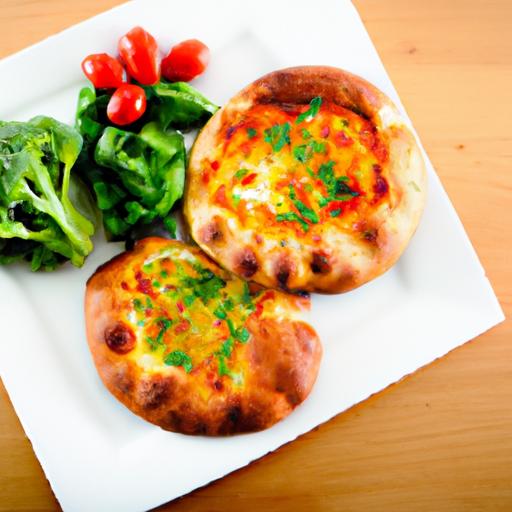
Once you’ve nailed the basics, let your creativity soar by experimenting with toppings and mix-ins. Incorporate herbs like fresh rosemary, thyme, or cilantro into the dough for aromatic twists.
- Brush with garlic-infused olive oil before cooking for a rich, savory finish.
- Add sesame seeds, nigella, or poppy seeds on top for crunchy texture and visual appeal.
- For a Mediterranean flair, top warm flatbreads with roasted cherry tomatoes, crumbled feta, and kalamata olives.
- Sweet tooth enthusiasts can spread honey and cinnamon, or top with mascarpone and fresh berries for a delightful dessert flatbread.
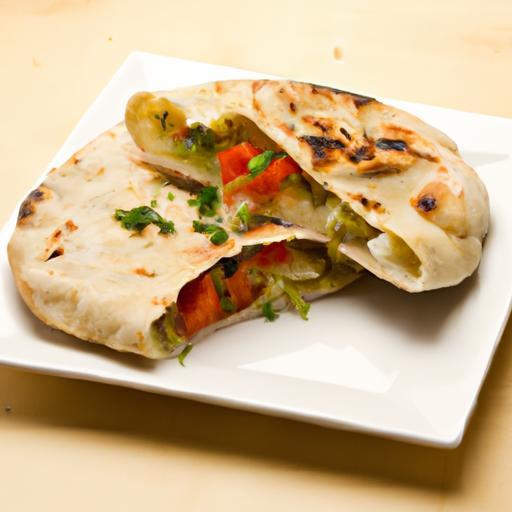
- Don’t hesitate to use your flatbread as a vibrant base for wraps, dipping into hummus or tzatziki, or as an accompaniment to grilled meats and veggies.
Prep and Cook Time
- Prep Time: 15 minutes
- Resting Time: 30-60 minutes (or overnight for enhanced flavor)
- Cook Time: 10-15 minutes
Yield
Makes approximately 6 medium flatbreads, perfect for 3-4 servings.
Difficulty Level
Easy to Medium – Ideal for home cooks eager to master foundational dough skills with satisfying results.
Ingredients
- 2 cups all-purpose flour,sifted
- 1/2 cup bread flour (optional,for extra chewiness)
- 3/4 cup warm water (about 110°F / 43°C)
- 2 tsp active dry yeast
- 1 tsp sugar
- 1 tsp salt
- 2 tbsp olive oil
- Optional toppings: garlic oil,fresh herbs,sesame seeds
Instructions
- In a small bowl,combine warm water,sugar,and yeast.Stir gently and let sit for 5-7 minutes until the mixture is frothy, indicating active yeast.
- In a large mixing bowl, whisk together all-purpose flour, bread flour (if using), and salt.
- Make a well in the dry ingredients and pour in the yeast mixture and olive oil.
- Using a wooden spoon or your hands, mix until a sticky dough forms.
- Transfer the dough onto a lightly floured surface and knead for about 8-10 minutes until smooth and elastic.
- Place the dough in an oiled bowl, cover with a damp cloth or plastic wrap, and let it rest for 30 minutes to 1 hour until doubled in size.
- Once risen, punch down the dough and divide it into 6 equal portions.
- Roll each portion out into a thin oval or circle,about 1/8 inch thick.
- Heat a cast-iron skillet or heavy pan over medium-high heat.
- Place one flatbread in the pan, cooking for 1-2 minutes or until golden brown spots form and bubbles appear.
- Flip and cook the other side for an additional 1-2 minutes.
- Remove from heat, brush with garlic-infused olive oil or your preferred topping, and serve warm.
Tips for Success
- Use lukewarm water: Too hot water will kill the yeast; too cold won’t activate it properly.
- don’t rush the resting time: Longer fermentation means more flavor and better texture.
- Adjust cooking heat: If your skillet smokes, reduce heat slightly to avoid burning.
- Make-ahead dough: Refrigerate dough overnight for enhanced taste and bake fresh the next day.
- Gluten-free option: Substitute with a quality gluten-free flour blend and add xanthan gum for elasticity.
- Storage: Store flatbreads wrapped in a clean kitchen towel and airtight container to retain softness.
Serving Suggestions
Serve flatbreads freshly cooked and warm, paired with dips like hummus, baba ganoush, or tzatziki.for a wholesome meal, use flatbreads as a base for grilled vegetables, spiced meats, or a fresh salad topping. Garnish with a sprinkle of flaky sea salt, fresh chopped herbs, or a light drizzle of infused olive oil for an artisanal touch.

| Nutrient | Per Flatbread |
|---|---|
| Calories | 180 kcal |
| Protein | 5 g |
| Carbohydrates | 35 g |
| Fat | 4 g |
For more delicious bread recipes, explore our Homemade Bread Recipes collection. To understand the chemistry behind yeast perfection, visit this in-depth description by Britannica.
Q&A
Q&A: Master the Art of Flatbread – Easy Recipe for Perfect Loaves
Q1: What makes flatbread different from other types of bread?
A1: Flatbread is delightfully simple-typically unleavened or using minimal yeast-resulting in thin, tender loaves that cook quickly. Unlike fluffy sandwich bread, flatbreads showcase rustic textures and are incredibly versatile, serving as wraps, dippers, or standalone snacks.
Q2: Why should I learn to make flatbread at home?
A2: Making flatbread at home is a rewarding journey. It requires just a handful of everyday ingredients, minimal equipment, and little time-perfect for busy cooks craving fresh, warm bread. Plus, you get to customize flavors and thickness to suit your taste and occasion.Q3: What are the essential ingredients for perfect flatbread?
A3: The magic quartet is simple: flour, water, salt, and a bit of oil. Some recipes call for a pinch of yeast or baking powder for softness, but customary flatbreads frequently enough skip these. High-quality flour and fresh water ensure a tender crumb and supple dough.Q4: How do I achieve that ideal texture-soft yet slightly chewy?
A4: The secret lies in kneading your dough just enough to develop gluten without overworking it. Resting the dough allows hydration to meld the ingredients, while cooking over medium-high heat creates delightful bubbles and charred spots, giving each loaf character.
Q5: Can I make flatbread without a hot oven?
A5: Absolutely! Flatbread thrives on stovetop magic. A cast-iron skillet or heavy pan works wonders,heating evenly and imparting a charmingly rustic crust. This method also lets you watch the bread bubble and brown to perfection in real time.
Q6: Any tips for storing and reheating flatbread?
A6: Flatbread is best enjoyed fresh but stores well in a sealed container or wrapped in foil for a day or two. To revive softness, warm it gently in a skillet or wrap it in foil and heat briefly in the oven. Avoid microwaving for too long to prevent rubbery texture.
Q7: How can I get creative with flatbread recipes?
A7: The canvas is wide open! Experiment by adding herbs, garlic, or spices into your dough. Top with seeds or brush with flavored oils before cooking. Use it as a base for pizzas, sandwich wraps, or pair with dips like hummus and tzatziki to elevate mealtime.Q8: What’s a common mistake to avoid?
A8: One classic pitfall is rolling the dough unevenly or too thick, leading to undercooked patches or doughy bites. Aim for even, thin rounds and maintain adequate cooking heat to ensure each loaf cooks through with those signature puffed pockets.
Unlocking the art of flatbread brings you closer to timeless culinary traditions while putting fresh, warm loaves on your table in minutes. Ready to roll? Your perfect flatbreads await!
In Summary
Whether you’re a seasoned baker or a curious kitchen novice, mastering the art of flatbread opens up a world of culinary possibilities. With its simple ingredients and straightforward technique, this easy recipe invites you to craft perfect loaves that are as versatile as they are delicious. From wrapping your favorite fillings to serving as a side for hearty stews, homemade flatbread adds a warm, satisfying touch to any meal. So roll up your sleeves, embrace the rhythm of the dough, and let each golden, pillowy loaf remind you that great cooking is as much about patience and practice as it is about flavor. Your journey to flatbread mastery starts right here-happy baking!