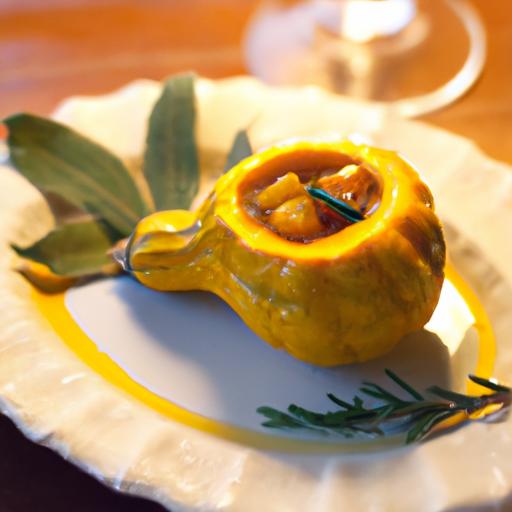

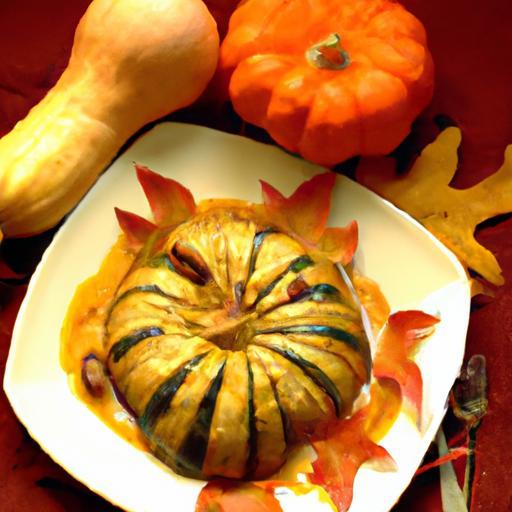
There’s something quietly magical about the humble acorn squash-its deep green,ridged exterior hinting at the golden treasure nestled within. When baked to perfection, this autumnal gem transforms into a sweet, tender delight that warms both the palate and the soul. Whether you’re a seasoned kitchen adventurer or a curious cook seeking comfort in simple ingredients, mastering the art of baking acorn squash opens the door to a world of golden goodness. In this article, we’ll explore the secrets and techniques that elevate this modest vegetable into a radiant star on your dining table, blending rustic charm with nutritional richness in every bite.
Golden Goodness begins with choosing the perfect acorn squash-a vibrant, firm specimen promises a naturally sweet and buttery roast that transforms effortlessly into a show-stopping side dish or a wholesome main. From the deep green mottled skin to the tender,golden-orange flesh inside,the essence of this squash is a celebration of autumn’s bounty and culinary artistry.
Prep and Cook Time
- Readiness: 10 minutes
- Roasting: 45 minutes
- Total Time: 55 minutes
Yield
Serves 4 as a hearty side
Difficulty Level
Easy
Ingredients
- 1 medium acorn squash (about 1.5 pounds), firm and heavy for size
- 2 tablespoons unsalted butter, melted
- 2 tablespoons pure maple syrup or local honey
- 1/2 teaspoon kosher salt
- 1/4 teaspoon freshly ground black pepper
- 1/2 teaspoon ground cinnamon
- 1/4 teaspoon smoked paprika (optional, for a subtle smoky warmth)
- A pinch of nutmeg
- Fresh thyme or rosemary sprigs (for garnish and aroma)
Instructions
- Select and prepare your squash: Choose an acorn squash that is heavy for its size with a firm, dark green skin and minimal blemishes. Rinse under cold water to remove any dirt.
- halve the squash carefully: Place it on a cutting board, stem-side down. using a sharp chef’s knife, cut lengthwise through the middle. A gentle rocking motion helps to keep the cut clean and even.
- Scoop out the seeds: Use a sturdy spoon to remove all seeds and fibrous strands,leaving the flesh exposed and ready to absorb those delightful seasonings.
- Season with care: In a small bowl,combine the melted butter,maple syrup,salt,pepper,cinnamon,smoked paprika,and nutmeg.Brush generously over the cut sides of the squash, ensuring every crevice is coated for maximum flavor infusion.
- prepare for roasting: Place the squash halves cut-side down on a parchment-lined baking tray. This positioning encourages gentle steaming from within, leading to tender flesh with a luscious texture.
- roast low and slow: Set your oven to 375°F (190°C). Roast for 40-45 minutes until the flesh is fork-tender and has begun to caramelize slightly around the edges. for an extra golden finish, flip the squash halves cut-side up during the last 10 minutes and baste again with residual glaze.
- Final touches: Remove from oven and sprinkle fresh thyme or rosemary leaves for herbal brightness and visual flair. Let rest for 5 minutes before serving to allow flavors to meld perfectly.
Tips for Success
- For even roasting, select squash that is uniformly sized. Avoid overly large or shriveled ones.
- Enhance caramelization by increasing oven temperature to 400°F in the last 5 minutes or broiling briefly, but watch carefully to prevent burning.
- Swap maple syrup with brown sugar or agave nectar to explore different natural sweetness profiles.
- use a serrated knife if your kitchen knife struggles to pierce the tough skin.
- Make ahead by prepping and seasoning squash halves a few hours in advance; refrigerate uncovered to dry out the edges slightly, which enhances roasting.
Serving Suggestions
This Golden Goodness masterpiece shines best paired with roasted autumn vegetables, a drizzle of tangy yogurt sauce, or crumbled feta for contrast. Garnish with toasted pepitas or pomegranate seeds to add crunch and vibrant color. Serve warm from the oven on rustic ceramic platters to highlight the squash’s brilliant hue and irresistible caramelized edges.

| Nutrient | Per Serving |
|---|---|
| Calories | 150 |
| Protein | 2g |
| Carbohydrates | 35g |
| Fat | 5g |
Discover more comforting yet elegant recipes like this by visiting our collection of roasted dishes and elevate your home kitchen repertoire. For deeper insight into the health benefits and selection tips of winter squash, check out this comprehensive guide by Healthline.
Q&A
Q&A: Golden Goodness – How to Perfectly Bake Acorn Squash
Q1: What makes acorn squash a great choice for baking?
A1: Acorn squash is like autumn’s edible treasure-its tender, sweet flesh caramelizes beautifully when baked, turning naturally luscious and creamy. Plus, its sturdy shell acts as a perfect little cooking vessel, making it a cozy, wholesome dish all on its own.
Q2: How do you prepare the acorn squash before baking?
A2: Start by slicing the squash in half from stem to tip, then scoop out the fibrous seeds and strings-think of it as hollowing out a golden boat ready to be filled. A quick rinse and pat dry, and you’re ready to season or stuff!
Q3: What’s the ideal temperature and baking time for acorn squash?
A3: Preheat your oven to a toasty 400°F (205°C). Place the halved squash cut-side up on a baking sheet and bake for about 45 minutes to 1 hour, until the flesh is fork-tender and effortlessly scoopable-like sun-soaked butter waiting to be savored.
Q4: Should you season the squash before or after baking?
A4: Both have their charms! Brushing the flesh with a little melted butter, maple syrup, or olive oil before baking enhances caramelization and flavor depth. A sprinkle of salt and warming spices like cinnamon or nutmeg can be added prior or after baking for an extra layer of golden goodness.
Q5: Can acorn squash be stuffed before baking?
A5: Absolutely! Think of it as nature’s little casserole shell. Fill it with savory mixtures like quinoa, wild rice, sautéed mushrooms, or sausage, studded with herbs and nuts. Bake until the filling is heated through and the squash tender-an elegant centerpiece worthy of any table.
Q6: how do you know when your baked acorn squash is perfectly cooked?
A6: The telltale sign is softness-gently pierce the flesh with a fork or knife; it should slide in with little resistance. The squash will also smell delightfully nutty and sweet, a golden aroma that invites you to dig in.
Q7: Any tips for serving baked acorn squash?
A7: Serve warm straight from its cozy shell, drizzled with a touch of honey or browned butter, and garnish with fresh herbs like sage or thyme for an earthy finish. Pair it with roasted veggies or a crisp green salad for a balanced, nourishing feast.
Q8: How can I store leftover baked acorn squash?
A8: Cool the squash completely, then transfer the flesh or halves to an airtight container. Refrigerate for up to 4 days-perfect for quick reheats or creative add-ins like soups,salads,or mash.
Baking acorn squash is a simple way to transform humble produce into golden goodness. With these tips, your kitchen will smell like harvest, and every bite will feel like a warm, comforting hug!
Final Thoughts
As the golden flesh of a perfectly baked acorn squash melts on your tongue, it’s easy to see why this humble vegetable has earned its place at the heart of autumn’s table.With just a few simple steps, you can transform this ordinary squash into a dish that’s rich in flavor, texture, and warmth. Whether you savor it as a side, a main, or a canvas for your culinary creativity, mastering the art of baking acorn squash opens the door to golden goodness all season long. So heat up your oven, embrace the cozy charm of this autumnal treasure, and let each bite remind you that sometimes, the simplest ingredients create the most memorable meals.