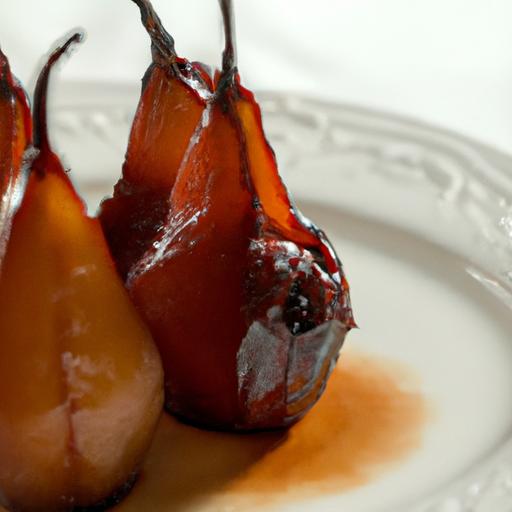

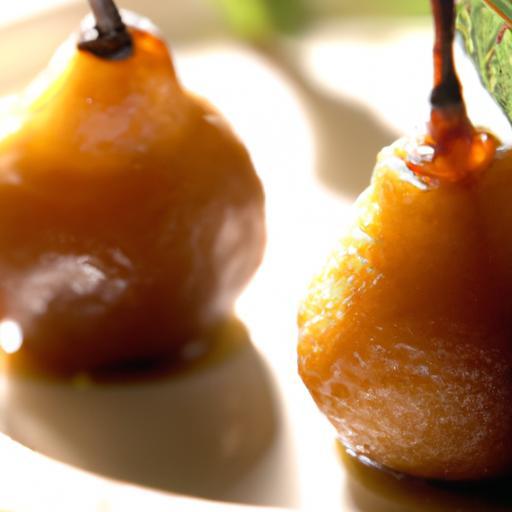
There’s a quiet magic in the kitchen when pears transform under gentle heat, their crisp flesh softening to a golden, tender delight. Roasted pears are more than just a simple dessert or side-they are a harmonious blend of art adn science, where caramelization and texture dance together to create layers of flavor both familiar and unexpected. In this article,we delve into the secrets behind mastering the perfect roasted pear,exploring how technique,timing,and a touch of culinary creativity can elevate this humble fruit into a refined indulgence. Whether you seek a cozy autumn treat or a stunning element for your next dinner party, discovering the art and science of roasted pears promises a journey of taste and texture you won’t soon forget.
Golden Delight: The Art and Science of Roasted pears
Golden Delight recipes begin with selecting pears that promise buttery softness and an aromatic sweetness when roasted. This timeless preparation elevates humble pears into a luscious, caramelized dessert or a sophisticated accompaniment that pairs beautifully with both sweet and savory dishes. roasting pears intensifies their natural sugars, creating a delightfully tender texture and flavor complexity that is simply irresistible.
Prep and Cook Time
- preparation: 10 minutes
- Roasting: 25-30 minutes
- Total: 40 minutes
yield
Serves 4 as a dessert or side
Difficulty Level
Easy – perfect for both beginners and seasoned home cooks
Ingredients
- 4 ripe but firm Bosc or Anjou pears, halved and cored
- 3 tbsp unsalted butter, melted
- 2 tbsp pure honey or maple syrup
- 1 tsp ground cinnamon
- 1/2 tsp freshly grated nutmeg
- 1/4 tsp ground ginger
- 1 tsp vanilla extract
- 1 tbsp fresh lemon juice
- Pinch of sea salt
- Optional: toasted pecans or walnuts for garnish
- Optional: crumbled goat cheese or ricotta for serving
Mastering the Roasting Process for Ideal Texture and Flavor
- Preheat your oven to 375°F (190°C). Line a baking sheet with parchment paper or lightly grease it to prevent sticking.
- In a small bowl, whisk together melted butter, honey, lemon juice, vanilla extract, ground cinnamon, nutmeg, ginger, and a pinch of sea salt. This spiced glaze will enhance the pears’ natural sweetness while adding warm, fragrant layers.
- Brush the spiced butter mixture generously over the cut sides of the pears, ensuring thorough coating for caramelization.
- Arrange the pears cut side up on the baking sheet to allow juices to pool and intensify the roasting effect.
- Roast for 25-30 minutes, basting once or twice with the pan juices halfway through. The pears should develop a golden-brown crust while staying tender but not mushy-test with a fork by gently piercing near the stem.
- Once roasted, remove from the oven and let pears cool for 5 minutes before transferring to a serving dish.
Enhancing Natural Sweetness with Spices and Complementary Ingredients
Using a balanced blend of warm spices like cinnamon, nutmeg, and ginger highlights the inherent sweetness of the fruit without overpowering it. Combining honey or maple syrup with melted butter creates a luscious glaze that encourages caramelization. Fresh lemon juice adds a subtle brightness, balancing richness and deepening flavor complexity. For added texture and contrast,toss toasted nuts into the serving dish or sprinkle them atop. A dollop of creamy ricotta or goat cheese pairs beautifully, introducing a savory counterpoint that makes each bite truly memorable.
Tips for Success
- Choose pears that are ripe but firm; overly soft pears will turn mushy while roasting.
- If you prefer a dairy-free glaze, substitute coconut oil for butter without sacrificing richness.
- Use a sharp knife to carefully halve and core the pears to maintain structural integrity.
- Allow pears to cool slightly after roasting-the caramelized juices thicken as they rest, enhancing the texture.
- These roasted pears can be made ahead and gently reheated at 300°F for 5 minutes before serving.
Creative Serving Ideas to Elevate Roasted Pears in Every Meal
Serving roasted pears can be an expressive culinary art.For a simple dessert, serve warm pears drizzled with extra honey and a scoop of vanilla bean ice cream.To transform this into a gourmet starter, arrange the pears atop a bed of arugula and shaved Parmesan, finishing with balsamic reduction. Add them to salads with toasted walnuts and dried cranberries to capitalize on fall flavors. For a brunch option, layer roasted pears with Greek yogurt and granola in parfait glasses. The possibilities are endless, encouraging creativity in balancing sweet, savory, creamy, and crunchy elements.
Nutritional Information
| Per Serving | calories | Protein | Carbohydrates | Fat |
|---|---|---|---|---|
| Roasted Pears | 160 kcal | 1.2 g | 28 g | 5 g |
For expert insights into pairing fruits and spices, visit the Food Network’s guide to roasted pear recipes.
Discover more inspired fruit roasting techniques in our Roasted Fruit Masterclass to expand your culinary repertoire.

Q&A
Q: What makes roasted pears a “golden delight”?
A: Roasted pears transform buttery,subtly sweet fruit into a caramelized treasure with golden hues and intensified flavor. the heat coaxing out natural sugars creates a delightful balance of softness, aroma, and a hint of crispness at the edges-truly a feast for the senses.
Q: How does roasting change the texture and flavor of pears?
A: Roasting pears softens their flesh until tender yet retains structure,while the Maillard reaction and natural sugar caramelization deepen their sweetness and add nuanced notes of honey,spice,and even a whisper of nuttiness.This metamorphosis elevates pears from fresh and crisp to luxuriously melt-in-your-mouth.
Q: Wich varieties of pears are best suited for roasting?
A: Firm yet juicy pears like Bosc, Anjou, and Comice shine brightest when roasted. Their dense flesh withstands heat without turning mushy, allowing the caramelization process to work its magic, while preserving a silkiness that’s utterly indulgent.
Q: What scientific processes occur during roasting?
A: Two key players make the magic happen: caramelization-the browning of sugars under heat-and the Maillard reaction, where amino acids and sugars interact to create complex flavor compounds. Together, they deepen color, aroma, and taste, turning simple pears into a gourmet delight.
Q: Are there any tips to perfecting roasted pears at home?
A: Absolutely! For a golden finish, choose ripe but firm pears. Slice them evenly for uniform cooking. Toss with a drizzle of honey or a sprinkle of cinnamon to complement natural sweetness. Roast at a moderate temperature (around 375°F/190°C) to allow gentle caramelization without burning.
Q: How can roasted pears be incorporated into dishes?
A: Roasted pears are remarkably versatile-they add warmth and sweetness to salads, complement cheeses like blue or goat, become a luscious topping for yogurt or oatmeal, or star as a dessert when paired with ice cream, nuts, or a splash of balsamic glaze.
Q: What cultural or ancient significance do roasted pears have?
A: Pears have been cherished since ancient times, with roasting as a customary method to preserve and enhance their flavor. from rustic hearthside European kitchens to elegant modern gastronomy, roasted pears embody comfort and culinary artistry across cultures.
Q: How does roasting pears reflect the fusion of art and science in cooking?
A: Roasting pears is a poetic dance between precise temperature control and intuitive flavor balancing. Science explains the chemical transformations heating induces,while art guides the hands in seasoning and serving-together crafting a sensory masterpiece known as the golden delight.
In Retrospect
As the final whispers of caramelized sugars settle and the warm aroma of roasted pears lingers in the air, we come to appreciate that this humble fruit is much more than a simple sweet treat. The art and science of roasting pears reveal a delicate balance-where heat transforms texture, chemistry enhances flavor, and time invites depth. Whether savored as a rustic dessert,a sophisticated accompaniment,or a subtle secret in savory dishes,roasted pears embody a golden delight that transcends the ordinary. So next time you ponder your culinary repertoire, remember the pear’s potential to shine-glowing softly from oven to plate, a testament to nature’s sweetest alchemy.