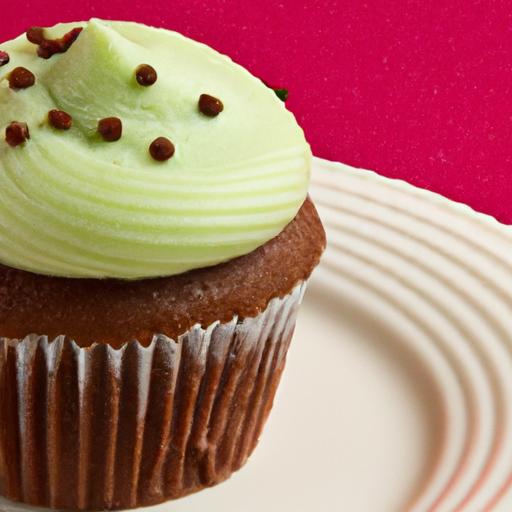

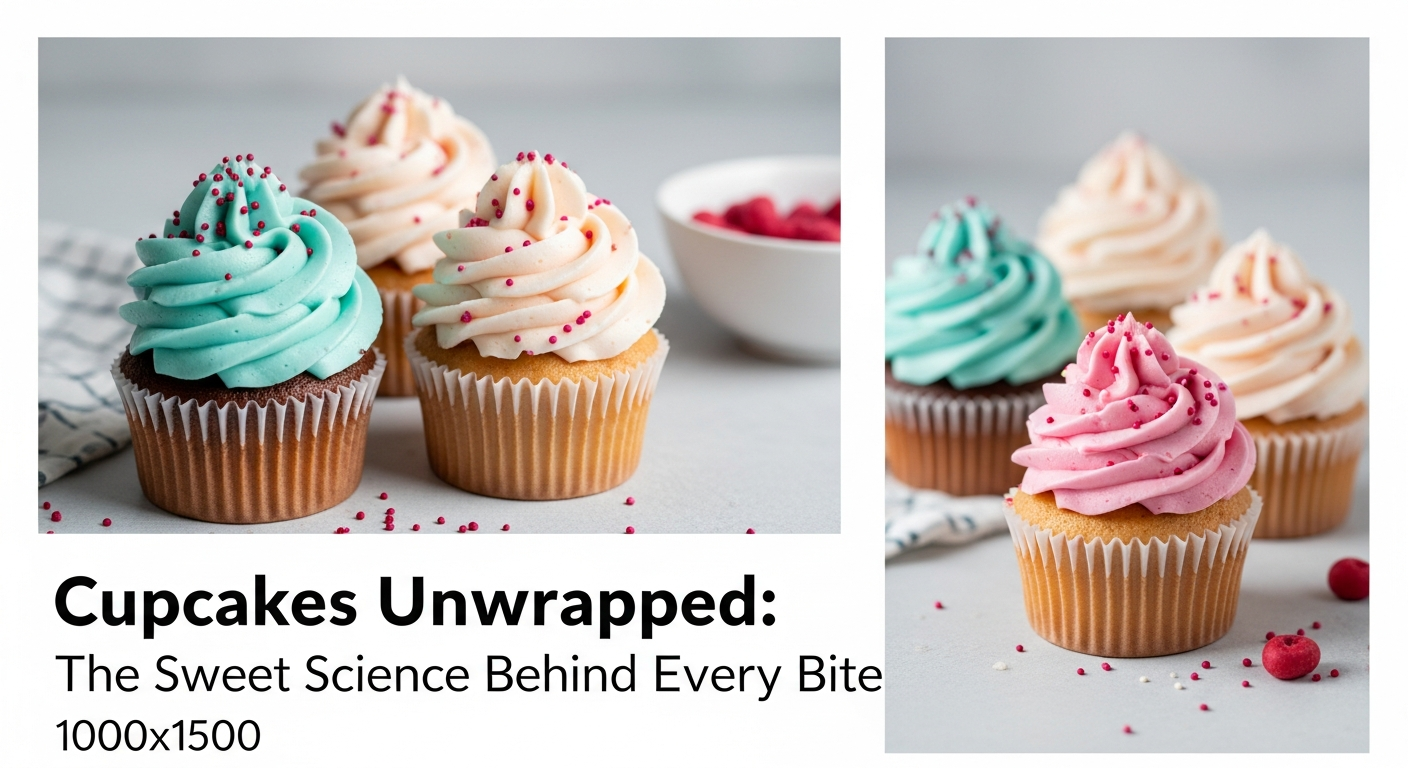
Beneath their colorful frosting swirls adn dazzling sprinkles lies a world of wonder – a perfect harmony of chemistry, art, and tradition baked into every cupcake. In “Cupcakes unwrapped: The sweet Science Behind Every Bite,” we embark on a delicious journey to uncover the secrets that transform simple ingredients into these irresistible mini marvels. From the magic of leavening agents that give rise to their fluffy texture, to the precise balance of sugar and fat that dances on your tongue, this article peels back the layers of cupcakes’ sweet science, revealing how every bite is a carefully crafted masterpiece. Whether you’re a curious baker or a devoted dessert lover, prepare to see cupcakes in a whole new light – were science and sweetness collide in perfect harmony.
Cupcakes Unwrapped: The Sweet Science Behind Every Bite
Cupcakes unwrapped reveal a fascinating journey into the chemistry of flavor, texture, and decoration, transforming simple ingredients into irresistible delights. Decoding the interplay of acids, sugars, and fats brings each bite to life with harmony and depth. Whether you’re a seasoned baker or a novice, embracing this sweet science will elevate your cupcake game beyond mere baking-into an art form where every crumb and swirl tells a flavorful story.
Prep and Cook Time
- Preparation: 20 minutes
- Cooking: 18-22 minutes
- Cooling and Decorating: 30 minutes
Yield
Makes 12 classic cupcakes
Difficulty Level
Medium – Perfect for bakers agreeable with foundational techniques looking to refine their craft
Ingredients
- 1 cup all-purpose flour, sifted
- ¾ cup granulated sugar
- ¼ cup unsalted butter, softened
- ½ cup whole milk, at room temperature
- 1 large egg, at room temperature
- 1½ tsp baking powder
- ¼ tsp baking soda
- ¼ tsp fine sea salt
- 1 tsp pure vanilla extract
- 1 tbsp apple cider vinegar or lemon juice (to activate leavening and deepen flavor)
Instructions
- Preheat your oven to 350°F (175°C) and line a 12-cup muffin tin with paper liners to ensure even baking and easy removal.
- In a large bowl, whisk together the sifted all-purpose flour, baking powder, baking soda, and salt. This dry mix forms the backbone to create a tender crumb.
- cream the butter and sugar in a separate bowl using an electric mixer on medium speed until light and fluffy, about 3-4 minutes; this aeration is key to lift and softness.
- beat the egg into the butter-sugar mixture one at a time, ensuring full incorporation before the next addition to maintain structure.
- combine the vanilla extract with apple cider vinegar and milk. The acid in vinegar activates the baking soda, contributing to a perfectly risen texture and a subtle tang that highlights the cupcake’s sweetness.
- Alternate adding dry and wet ingredients: Begin by folding in one-third of the flour mixture, then half the milk mixture. Repeat once more, finishing with the last of the flour. Mix gently but thoroughly to avoid overworking the gluten, which can toughen the crumb.
- Divide the batter evenly among the prepared liners, filling each about ⅔ full to allow room for rising without spillage.
- Bake for 18-22 minutes until a toothpick inserted into the center comes out clean and the tops spring back lightly when touched.
- Cool cupcakes in the pan for 5 minutes, then transfer them to a wire rack for at least 20 minutes before frosting to prevent melting.
Frosting Fundamentals and Flavor Pairing Techniques
The base for a classic frosting is buttercream, but balancing sweetness and texture is crucial. Use softened unsalted butter whipped until creamy before gradually adding powdered sugar. Add a splash of heavy cream or milk for smoothness. Match your frosting flavor thoughtfully with your cupcake’s base-vanilla bean with lemon zest, chocolate ganache with raspberry puree, or coffee-infused cream cheese for a richer dimension. This harmony creates layers of flavor that surprise and delight with each bite.
Innovative Decoration Tips to Elevate Your Cupcake Experience
Presentation brings your cupcake story full circle. Instead of the obvious swirl, experiment with piping designs like rosettes or ruffles for visual texture. Top with edible flowers, candied zest, or a sprinkle of flaky sea salt to add contrast and intrigue. Using vibrant natural food colors or shimmery dusts will bring that wow factor without overwhelming flavor.
Tips for Success
- Ensure all wet ingredients are at room temperature to help emulsify the batter smoothly.
- Do not over-mix the batter once the dry ingredients are combined,as it can develop gluten making the cupcakes dense.
- For moist texture, don’t skip the vinegar or lemon juice, which reacts chemically with the baking soda for lift and tenderness.
- Cool cupcakes wholly before frosting to avoid sliding or melting.
- Try swapping whole milk with buttermilk for tangier flavor and creamier texture.
Serving Suggestions
Serve these cupcakes with a cup of freshly brewed artisan coffee or a luminous herbal tea like jasmine or chamomile. Garnish with a mint leaf or zest twist for color. For celebrations, place cupcakes on a tiered stand with varying frosting styles and decorative toppers to invite guests to pick their favorite.
| Nutrient | Per Cupcake |
|---|---|
| Calories | 280 kcal |
| protein | 3 g |
| Carbohydrates | 38 g |
| Fat | 12 g |
Discover more on how to perfectly layer flavors in desserts in our Dessert Flavor Pairings Guide. For a deep-dive into baking chemistry,visit King Arthur Baking’s Science Guide to enhance your technique further.

Q&A
Q&A: Cupcakes unwrapped – The Sweet Science Behind Every Bite
Q1: What makes a cupcake different from a regular cake?
A1: At first glance, cupcakes and regular cakes might seem like siblings-same ingredients, just different sizes. But the magic lies in proportion and precision. Cupcakes have a higher surface-area-to-volume ratio,which means their edges bake differently,creating that perfect balance of a slightly crisp exterior and a tender,moist crumb inside. It’s like a culinary hug in miniature form!
Q2: How does the science of baking affect the texture of a cupcake?
A2: Texture depends heavily on the chemical dance happening inside that batter. When flour meets liquid, gluten forms-a protein network that gives structure. Eggs add richness and help trap air,while leavening agents like baking powder or soda release gases that puff the batter up. Temperature and mixing speed also play starring roles; overmixing can tighten gluten strands, resulting in a tough cupcake, while gentle folding keeps it delightfully soft and tender.
Q3: Why are cupcakes so moist without being greasy?
A3: The moistness in a cupcake is a delicate balance of fats, liquids, and sugars working in harmony.butter or oil coats flour particles, preventing too much gluten formation, which can dry out the crumb. Sugar doesn’t just sweeten-it also attracts and holds onto moisture, acting as a little hydration hero. The right ratio turns out a cupcake that feels indulgently moist without the unwanted slip of grease.
Q4: What role does temperature play in baking cupcakes?
A4: Temperature is the backstage technician making sure everything hits its spotlight exactly when needed. Too hot, and the cupcake can dome rapidly and crack; too cool, and it won’t rise properly, leaving you with a dense patty rather of a fluffy treat. Typically, a steady 350°F (175°C) allows leavening gases to expand uniformly, while the edges set just enough to give you that signature tender crumb wrapped in a golden shell.Q5: How do frosting and filling change the science of a cupcake?
A5: Frosting and fillings aren’t just decorative-they influence moisture transfer and texture. Frosting forms a barrier, helping retain the cupcake’s internal moisture. Fillings can add pockets of surprise flavor and texture but also introduce extra moisture,so bakers often adjust the crumb’s density and moisture content to keep everything balanced. It’s like a symphony where each element must harmonize to create a perfect bite.
Q6: Can the type of flour impact the cupcake’s final taste and texture?
A6: Absolutely! Flours differ in protein content, which affects gluten formation. Cake flour, with lower protein, yields a tender and fine crumb ideal for cupcakes. All-purpose flour can produce a more robust texture, which might be great for heartier cupcakes but less delicate ones.The flour’s flavor-ranging from nutty to neutral-also seeps subtly into the cupcake’s personality, influencing each bite’s nuance.
Q7: What’s the secret behind the iconic cupcake dome?
A7: The dome is the trophy of proper rising-a result of well-balanced leavening,ideal oven temperature,and batter thickness. As gases expand during baking, the center rises higher than the edges, forming that coveted puff. Under or over-filling the cupcake liners, or opening the oven door too early, can sabotage this fluffy summit, so patience and precision win the day.
Q8: How can amateur bakers apply this sweet science at home?
A8: Embrace your inner scientist! Measure ingredients carefully, avoid overmixing, and preheat your oven properly. Experiment with different fats and flours to find your favorite texture. Remember,baking is part art and part chemistry-understanding the “why” behind each step helps you tweak and craft cupcakes that delight every time.And don’t forget: every failed batch is just a delicious experiment on the path to cupcake mastery!
With “Cupcakes Unwrapped,” we reveal that every bite is a blend of science and sweetness, precision and passion.The next time you savor one, remember-it’s not just dessert, it’s edible alchemy.
The Way Forward
As the final crumb settles and the frosting’s glossy sheen fades from memory, it’s clear that every cupcake carries more than just sweetness-it is a tiny triumph of chemistry, creativity, and craft. From the precise balance of ingredients to the science of rising and caramelizing, each bite is a delicious dialog between art and science. So next time you unwrap a cupcake,remember: you’re not just indulging in a treat,you’re savoring the intricate symphony of science baked into every crumb. Sweet discoveries await with every bite-ready to be unwrapped again and again.