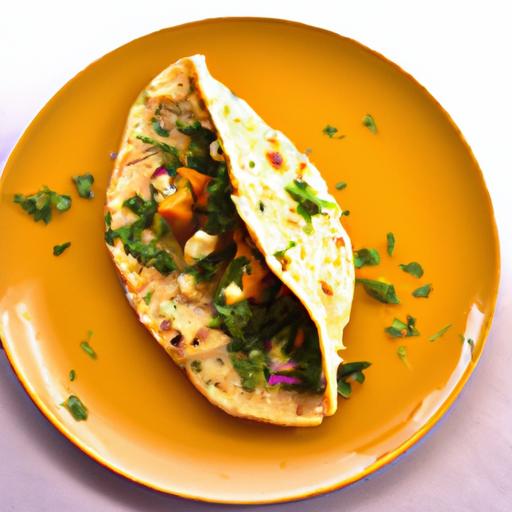

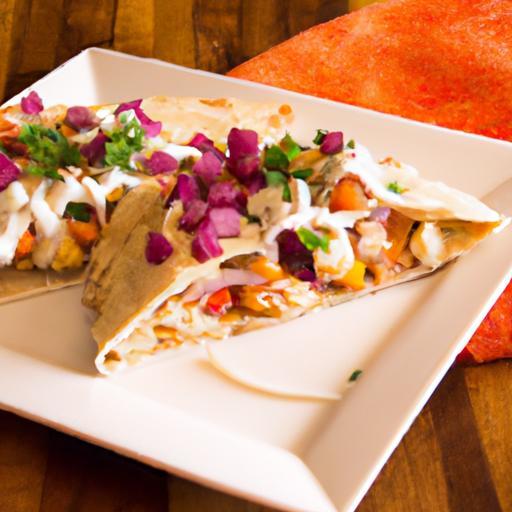
In a world where culinary traditions meet modern nutrition, chickpea flour flatbread emerges as a tasty bridge between past and present. This humble, golden-hued bread carries centuries of heritage yet offers a fresh, healthful twist that appeals to today’s wellness-conscious palates. Packed with protein, fiber, and essential vitamins, chickpea flour transforms simple ingredients into a versatile staple-inviting food lovers to rediscover flatbread not just as a side, but as a nourishing centerpiece.Join us as we explore how this ancient ingredient redefines tradition, bringing vibrant flavor and wholesome goodness to your table.
Chickpea flour flatbread is a vibrant, nutritious staple that brings together wholesome ingredients and centuries-old traditions with a modern flair. Originating from Mediterranean and Indian cuisines, this naturally gluten-free flatbread boasts a subtle nuttiness and a slightly crisp exterior with a tender, feather-light crumb inside. Its rising popularity is no surprise-packed with protein, fiber, and essential phytonutrients, it’s a true nutritional powerhouse perfect for any mealtime or snack. Whether paired with creamy hummus, a spicy chutney, or used as a wrap, mastering this recipe will elevate your kitchen repertoire and add a delightful twist to your meals.
Prep and Cook Time
- Preparation: 10 minutes
- Resting: 20 minutes
- Cooking: 15 minutes
- total Time: 45 minutes
Yield
Makes 6 medium-sized flatbreads (about 6 inches diameter each)
Difficulty Level
Easy - Suitable for beginners with basic cooking skills
Ingredients
- 1 cup chickpea flour (besan), sifted
- 3/4 cup lukewarm water
- 2 tablespoons extra virgin olive oil, plus more for cooking
- 1/2 teaspoon fine sea salt
- 1/4 teaspoon baking powder (optional, for a lighter texture)
- 1/2 teaspoon ground cumin (optional, for warmth and aroma)
- Freshly chopped herbs (such as cilantro, parsley or chives) – 2 tablespoons, optional
instructions
- Mix the dry ingredients: In a medium bowl, combine the sifted chickpea flour, salt, baking powder, and cumin if using. Stir thoroughly to ensure even distribution.
- add liquids and combine: Gradually pour in lukewarm water and olive oil while whisking consistently to form a smooth, pourable batter. It should resemble pancake batter-thick but flowy.
- Rest the batter: Cover the bowl with a clean cloth and let it sit for 20 minutes. This resting period hydrates the flour and improves texture.
- Prepare your cooking surface: Heat a non-stick skillet or cast iron pan over medium heat. Lightly brush with olive oil to prevent sticking and enhance browning.
- Cook the flatbreads: Pour approximately 1/4 cup batter into the skillet, carefully spreading it out into a thin, even circle about 6 inches wide.Cook until the edges lift and small bubbles form on top, about 2-3 minutes.
- Flip and finish: gently flip the flatbread using a spatula and cook the other side for 1-2 minutes, until golden brown spots appear and the flatbread feels firm but pliable.
- Keep warm and repeat: transfer the cooked flatbread to a plate,cover loosely with foil to retain warmth,and repeat with the remaining batter,adding oil to the pan as needed.
- Serve hot or warm: Chickpea flour flatbreads are best enjoyed promptly but also hold up well reheated.
Tips for Success
- Adjust batter thickness: If the batter feels too thick, add water a tablespoon at a time until pourable but not watery.
- Resting time is key: Allowing the batter to rest makes the flatbread tender and easy to flip without breaking.
- non-stick pan recommended: A well-heated, non-stick or cast iron pan prevents tearing and promotes even browning.
- Herb variations: Fold in finely minced rosemary, thyme or even chili flakes to customize aroma and flavor.
- Make-ahead option: Prepare the batter the night before, cover, and refrigerate; bring to room temperature before cooking.
- Storage advice: Store cooled flatbreads in an airtight container for up to 3 days or freeze with parchment paper between layers.
Serving Suggestions
Serve these golden chickpea flour flatbreads warm, brushed lightly with olive oil or melted ghee, and sprinkle with flaky sea salt or za’atar spice blend. Pair them with vibrant Mediterranean dips like baba ganoush or tzatziki, or use them as a gluten-free base for breakfast topped with avocado and soft-boiled eggs. Rolled tightly with grilled vegetables and a smear of harissa paste, they transform into a portable, nutrient-packed wrap.For a fresh twist, garnish with microgreens, a squeeze of lemon, or a sprinkle of toasted sesame seeds for subtle crunch and earthiness.

Nutritional Details per Flatbread
| Calories | Protein | Carbohydrates | Fat |
|---|---|---|---|
| 150 kcal | 6 g | 22 g | 4 g |
Explore our gluten-free recipes to complement your chickpea flour flatbread creations. For more insight on the health benefits of chickpea flour, visit the Healthline Chickpea flour Nutrition Guide.
Q&A
Q&A: Chickpea Flour Flatbread – A Nutritious Twist on Tradition
Q1: What makes chickpea flour flatbread different from traditional wheat flatbreads?
A1: Chickpea flour flatbread swaps the usual wheat flour for ground chickpeas, bringing a unique nutty flavor and a denser, more protein-packed texture. Unlike wheat, chickpea flour is naturally gluten-free and richer in fiber, making this flatbread a wholesome alternative for those seeking both nutrition and taste in every bite.
Q2: What nutritional benefits does chickpea flour offer?
A2: Chickpea flour is a powerhouse of nutrients! it’s high in plant-based protein, fiber, iron, and essential vitamins like folate and B6. This blend not only supports digestion and satiety but also provides steady energy-perfect for a midday boost or a post-workout meal.
Q3: Can chickpea flour flatbread be enjoyed by people with gluten sensitivities?
A3: Absolutely! as chickpea flour is naturally gluten-free, this flatbread is an excellent option for individuals with celiac disease or gluten intolerance. Just be sure to avoid cross-contamination if you’re sensitive, and pair with other gluten-free ingredients for a safe, delicious meal.
Q4: How versatile is chickpea flour flatbread in culinary use?
A4: Incredibly versatile. Whether you fold it like a wrap, use it as a base for vibrant dips such as baba ganoush or tzatziki, or create a pizza-style flatbread topped with fresh veggies and herbs, chickpea flour flatbread adapts beautifully. its subtle earthiness complements both savory and slightly sweet toppings, inviting endless creativity.
Q5: Is chickpea flour flatbread tough to prepare at home?
A5: Not at all! With just a few simple ingredients-chickpea flour, water, a pinch of salt, and optional spices-you can whip up a batter in minutes.Cooked on a hot griddle or skillet, it’s speedy to make and requires no special equipment, making it a fantastic nutritious twist for busy home cooks.
Q6: How does chickpea flour flatbread tie into traditional cuisines?
A6: Chickpea flour has a longstanding history in Mediterranean, Indian, and Middle Eastern cuisines. Flatbreads like Socca from France or Besan chilla from India showcase chickpea flour’s versatility. This modern adaptation honors those traditions while meeting contemporary demands for healthy, plant-based foods.
Q7: What flavors or spices pair best with chickpea flour flatbread?
A7: Warm spices such as cumin, turmeric, coriander, or smoked paprika enhance its nutty undertones. Fresh herbs like cilantro, parsley, or rosemary add brightness. For a touch of heat, chili flakes or black pepper lend a lively kick-perfect for transforming simple flatbread into an aromatic feast.
Q8: Can chickpea flour flatbread be stored or reheated?
A8: Yes! Store leftover flatbreads in an airtight container in the fridge for up to 3 days. Reheat gently on a skillet or in the oven to preserve their soft, tender texture. They also freeze well-just thaw and warm before serving to enjoy their fresh-from-the-pan goodness anytime.
Q9: Who would benefit most from including chickpea flour flatbread in their diet?
A9: From vegans and vegetarians seeking extra protein to gluten-sensitive individuals or anyone aiming to diversify their grains, chickpea flour flatbread is a win-win. its nutrient-dense profile supports balanced diets and offers a delicious way to add variety and nourishment to everyday meals.
Q10: What’s the best way to start incorporating chickpea flour flatbread into your kitchen routine?
A10: Begin with a simple recipe-just chickpea flour,water,salt,and a drizzle of olive oil. Once agreeable, experiment with herbs, spices, and toppings that excite your palate. Try it as a base for breakfast with avocado and tomatoes or as an afternoon snack with hummus. Before you know it, this nutritious twist on tradition will become a beloved staple!
Insights and Conclusions
In reimagining a timeless staple with chickpea flour, this flatbread offers more than just a delicious twist-it presents a gateway to nourishment and culinary creativity. Whether you’re seeking gluten-free alternatives, a protein-packed snack, or simply a new way to enjoy familiar flavors, chickpea flour flatbread stands as a testament to how tradition can evolve without losing its heart. so next time you break bread, consider reaching for this golden, nutrient-rich option-your taste buds and your body will thank you.