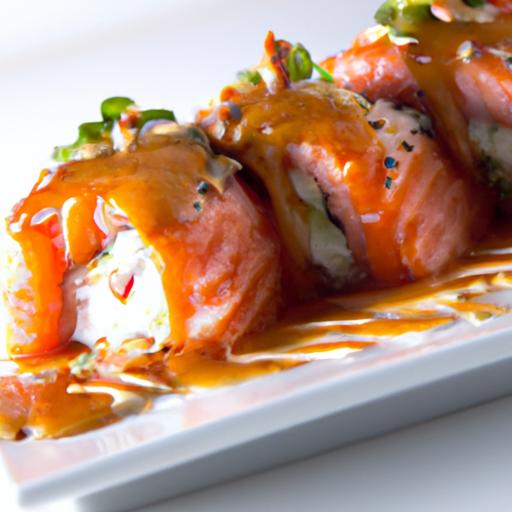

Sushi is a timeless culinary art, celebrated for its delicate balance of fresh ingredients and precise craftsmanship. But what happens when tradition meets innovation? Enter baked salmon sushi-a delightful twist on classic rolls that marries the rich, smoky warmth of oven-cooked salmon with the vibrant textures and flavors of conventional sushi. This fusion not only elevates the humble salmon roll but also invites food lovers too explore a new dimension of taste and texture. In this article,we’ll dive into the origins,techniques,and irresistible appeal of baked salmon sushi,proving that sometimes,breaking the mold leads to delicious discoveries.
Exploring the Rich Flavors of Baked Salmon in Sushi Rolls
Baked Salmon Sushi offers a delightful fusion of traditional sushi craftsmanship with a warm, smoky twist that transforms every bite into a celebration of flavors. Unlike classic raw salmon rolls, baked salmon infuses a subtle caramelized aroma and a tender, flaky texture that creates a comforting yet elegant experience. Growing up near the coast, I fondly remember watching my family grill fresh salmon, and incorporating that warmth into sushi felt like the perfect way to honor those memories while delighting modern palates.
Prep and Cook Time
- Readiness: 25 minutes
- Cooking: 15 minutes
- Total Time: 40 minutes
Yield
4 servings (makes approximately 16 pieces)
Difficulty Level
Medium – Ideal for home cooks comfortable with basic sushi techniques
Choosing the Perfect Ingredients for a Memorable Baked Salmon Roll
Every element in baked salmon sushi plays a pivotal role in balancing texture and taste. Start with premium sushi-grade salmon-the fresher, the better, as baking enhances its natural oils and flavors. opt for slightly seasoned, short-grain sushi rice that’s been evenly rinsed and vinegared for that signature sticky yet tender bite.
Don’t underestimate the impact of subtle accompaniments like creamy avocado slices, crisp cucumber strips, and a hint of spicy mayo or wasabi mayo to heighten the flavor layers. Toasted nori sheets provide the essential umami backdrop and structural integrity. For baking, a brush of teriyaki glaze or a light sprinkle of sesame seeds can elevate the roll’s visual appeal and taste profile.
Step by Step Guide to Mastering the Baked Salmon Sushi Technique
- Prepare the sushi rice: Rinse 2 cups sushi rice under cold water until water runs clear. Cook with 2¼ cups water in a rice cooker or pot. When cooked, fold in ¼ cup sushi vinegar mixture (rice vinegar, sugar, salt) and cool to room temperature.
- Preheat your oven: Set to 375°F (190°C) and line a baking tray with parchment paper.
- Season and bake the salmon: Place 8 oz of sushi-grade salmon fillet on the tray.Lightly brush with a mixture of soy sauce and mirin or teriyaki glaze. Bake for 12-15 minutes until salmon is opaque and flakes easily. Let cool slightly.
- Assemble the roll: On a bamboo sushi mat, lay a nori sheet shiny side down. Spread a thin, even layer of sushi rice over the nori, leaving a 1-inch border at the top edge.
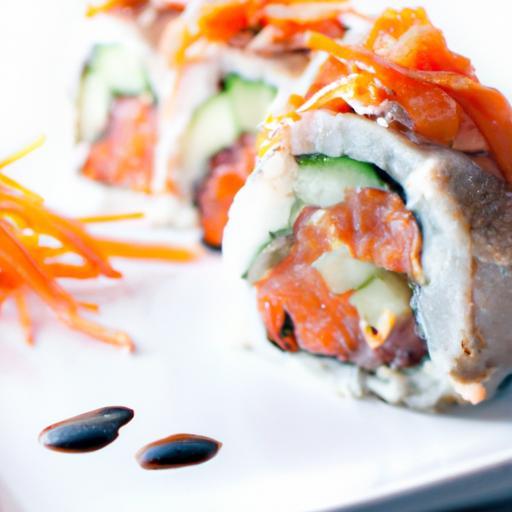
- Add fillings: Line baked salmon strips, julienned cucumber, and sliced avocado horizontally about 1 inch from the bottom edge of the rice. Optionally add a drizzle of spicy mayo for extra kick.
- Roll tightly: Using the mat, carefully lift the edge closest to you and roll it over the fillings, applying gentle pressure to create a tight cylindrical roll.Seal the edge with a little water on the nori’s border.
- Slice the roll: using a sharp, damp knife, cut the roll into 8 equal pieces. Clean the knife between cuts to maintain clean edges.
- Finish: Arrange the sushi pieces on a plate and garnish with toasted sesame seeds, thinly sliced scallions, and a small dollop of wasabi or pickled ginger on the side.
Chef’s Notes: Tips for Success
- Rice consistency is key. Avoid over-washing rice or overcooking it-sticky but tender grains are essential for perfect rolls.
- Salmon doneness: Baking gently preserves moisture-overbaked salmon can dry out the roll.
- Customize fillings: Try swapping cucumber with pickled daikon or adding a thin layer of cream cheese for richness.
- Make ahead: Prepare sushi rice and baked salmon a few hours in advance. Store separately and assemble fresh to maintain texture.
- Rolling technique: Don’t rush – even pressure when rolling ensures compact, beautiful sushi rolls.
Creative Serving Suggestions and Pairings to Elevate Your Sushi Experience
presenting baked salmon sushi elegantly gives your guests a resturant-quality experience. Use a minimalist rectangular sushi board garnished with microgreens or edible flowers for a visual pop. Drizzle a bit of unagi sauce or fresh yuzu ponzu for a tangy brightness.
Pair with chilled sake or a crisp white wine like a Sauvignon Blanc to complement the rich salmon. For non-alcoholic options, a lightly brewed jasmine tea or sparkling yuzu lemonade balances the savory intensity. Add vibrant sides such as seaweed salad or pickled ginger slivers to refresh the palate between bites.
This combination transforms simple homemade rolls into an unforgettable gourmet experience – perfect for casual dinners or special celebrations.
Nutritional Facts per Serving
| Nutrient | Amount |
|---|---|
| Calories | 320 kcal |
| Protein | 22 g |
| Carbohydrates | 35 g |
| Fat | 9 g |

For more delicious sushi recipes, explore our ultimate guide to sushi making. To deepen your understanding of safe seafood handling and sourcing, visit the FDA Seafood Safety guidelines.
Q&A
Q&A: Baked Salmon Sushi – A Flavorful Twist on Classic Rolls
Q1: What exactly is baked salmon sushi?
A1: Baked salmon sushi is a modern spin on traditional sushi rolls,featuring tender,oven-baked salmon as the star ingredient.Instead of raw fish, the salmon is seasoned, baked to perfection, and then combined with sushi rice and nori, creating a warm, comforting bite that still honors classic Japanese flavors.
Q2: How does baked salmon sushi differ from regular salmon sushi?
A2: Traditional salmon sushi uses raw, fresh salmon, celebrated for its silky texture and subtle taste. Baked salmon sushi, on the other hand, offers a smoky, slightly caramelized flavor and a firmer texture because of the baking process.This adds warmth and depth, making it appealing even to those hesitant about raw fish.
Q3: What kind of seasonings are typically used for the baked salmon?
A3: Common seasonings include soy sauce, miso paste, a hint of garlic, ginger, and a splash of sesame oil. Some chefs sprinkle on a touch of brown sugar or drizzle spicy mayo before baking to create a delicious glaze that caramelizes beautifully in the oven.
Q4: Can anyone make baked salmon sushi at home?
A4: absolutely! Baked salmon sushi is surprisingly approachable for home cooks. With just a few ingredients-fresh salmon fillets, sushi rice, nori sheets, and your favorite seasonings-you can whip up this tasty fusion. Baking salmon is straightforward, and assembling the sushi rolls can be a fun, creative activity.
Q5: What are some popular ways to serve baked salmon sushi?
A5: Baked salmon sushi pairs wonderfully with pickled ginger,wasabi,and a side of soy sauce. Some like to top the rolls with avocado slices, sesame seeds, or a drizzle of spicy mayo for extra flavor and texture. It’s perfect as an appetizer, party platter, or even a cozy weeknight dinner.
Q6: Is baked salmon sushi healthier than traditional sushi?
A6: Baked salmon sushi can be a healthier alternative for some because baking reduces the risk of bacteria found in raw fish.Plus, it can be customized with wholesome ingredients like brown rice or steamed veggies. However, the overall healthiness depends on toppings and sauces, so choosing lighter condiments can keep each roll nutritious.
Q7: What inspired the creation of baked salmon sushi?
A7: Culinary innovators sought to marry the freshness of sushi with the comforting warmth of cooked dishes. baked salmon sushi emerged as a creative take to appeal to wider audiences, especially those wary of raw fish, while still celebrating the flavors and artistry of sushi-making.
Q8: Any tips for making the perfect baked salmon sushi roll?
A8: Start with high-quality salmon and ensure it’s evenly coated with your seasonings. Don’t overbake-the salmon should be tender, not dry. When assembling, keep your rice slightly sticky but not mushy. Use a bamboo sushi mat for tight, uniform rolls, and slice carefully to preserve the beautiful layers inside.
Q9: Can this dish accommodate dietary preferences?
A9: Definitely! You can adapt baked salmon sushi for gluten-free diets by using tamari rather of soy sauce or create a lower-carb version by substituting sushi rice with cauliflower rice. For those avoiding seafood, baked tofu or mushrooms make excellent, savory alternatives.
Q10: Where can I try baked salmon sushi if I don’t want to make it myself?
A10: Many contemporary sushi bars and fusion restaurants now feature baked salmon rolls on their menus due to their growing popularity. Look for eateries that specialize in creative sushi dishes or fusion cuisine-your taste buds are in for a treat!
Baked salmon sushi redefines what sushi can be: a harmonious balance of warmth, flavor, and tradition. Whether homemade or ordered out, this twist on classic rolls invites you to explore sushi beyond raw fish, savoring a delightful new experience with every bite.
Concluding Remarks
Whether you’re a sushi purist or an adventurous foodie, baked salmon sushi offers a delightful fusion of familiar flavors and comforting warmth. This flavorful twist on classic rolls not only elevates the texture and depth of each bite but also invites you to explore sushi beyond its traditional boundaries. So next time you’re craving something both soothing and exciting, consider giving baked salmon sushi a try-your palate might just thank you for the savory surprise.