
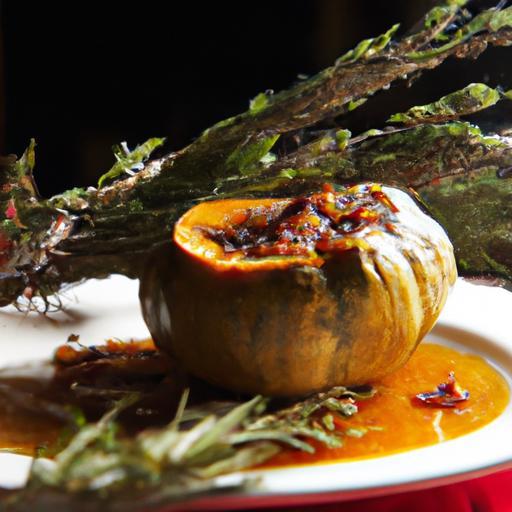
There’s a quiet magic in the humble acorn squash-its rugged, ridged shell hides a treasure trove of vibrant, golden flesh that transforms ordinary meals into comforting feasts. Baked to tender perfection, this autumnal delight doesn’t just warm the kitchen; it fills the soul wiht the nostalgic embrace of fall harvests and wholesome flavors. In “Golden Goodness: Mastering the Art of Baked Acorn Squash,” we’ll explore the secrets to unlocking its rich,nutty sweetness,from selecting the ideal squash to coaxing out the perfect caramelized edges. Prepare to embark on a sensory journey were simplicity meets elegance, turning this modest vegetable into a starring dish worthy of any table.
Golden Goodness: Mastering the Art of Baked Acorn Squash
Golden Goodness begins in the moment you select your acorn squash-each one treasure waiting to be transformed into a tender, caramelized masterpiece. This versatile vegetable embodies the warmth of autumn with its nutty, subtly sweet flesh that roasts to perfection, inviting creativity in flavors and textures. whether it’s your first time baking acorn squash or you’re honing your technique, mastering how to maximize flavor and beauty in every bite is deeply satisfying.
Prep and Cook Time
- Planning: 15 minutes
- Cooking: 45 minutes
- Total: 1 hour
Yield
Serves 4 as a side dish or 2 as a hearty vegetarian main.
Difficulty Level
Easy – Perfect for both novice and experienced home cooks looking to impress.
Ingredients
- 1 medium acorn squash (about 2 pounds), halved and seeded
- 2 tbsp olive oil or melted butter for brushing
- 1 tbsp brown sugar or maple syrup for natural sweetness
- 1/2 tsp ground cinnamon
- 1/4 tsp sea salt or to taste
- Freshly ground black pepper, a pinch
- Optional: Chopped fresh herbs such as thyme or sage for garnish
Instructions
- Selecting Your Squash: Choose an acorn squash with a deep green skin with hints of orange, firm to the touch, and free from bruises or soft spots. Smaller squash tend to be sweeter and have a smoother texture.
- Preheat your oven to 400°F (200°C). This higher temperature encourages golden caramelization along the edges while keeping the inside tender.
- Prepare the squash: Using a sharp chef’s knife, carefully halve the squash lengthwise and scoop out all seeds and stringy pulp for clean cavities.
- Season the flesh: Brush each half generously with olive oil or melted butter. Sprinkle the brown sugar evenly for a natural caramelizing agent, then dust with cinnamon, salt, and pepper. These layers help develop rich, warm flavors during baking.
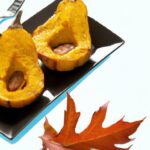
- bake cut side up: Place the halves on a parchment-lined baking sheet to catch drips. Roast for 40-45 minutes, or untill the flesh is soft and easily pierced with a fork. Watch for the edges to turn a deep amber, signaling caramelization.
- Rest before serving: Let the squash cool for 5 minutes after baking. This allows residual heat to complete the cooking and concentrates the flavors.
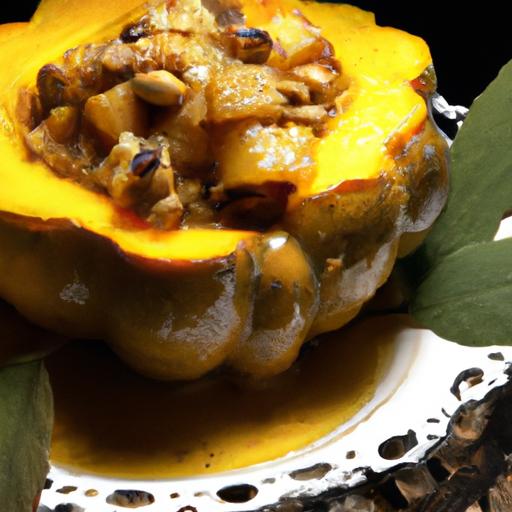
- Creative stuffing ideas: While traditional butter and brown sugar shine on their own, try filling your squash cavities after roasting with quinoa, toasted pecans, dried cranberries, and crumbled goat cheese for a festive twist. Or,for a savory approach,sauté mushrooms,garlic,and spinach,seasoning with fresh herbs and a sprinkle of parmesan before stuffing.
Tips for Success
- For maximum caramelization, avoid overcrowding the pan. Each half needs space so hot air circulates, crisping edges beautifully.
- Swap brown sugar for pure maple syrup in the seasoning step to add complexity and a silky finish.
- Make ahead: Bake squash halves a day in advance, then reheat stuffed for 15 minutes at 350°F (175°C) before serving.
- Use a fork or the tip of a knife to check tenderness at 35 minutes to avoid overcooking.
Serving Suggestions
For a stunning presentation, plate the stuffed squash with a drizzle of balsamic glaze and scatter fresh herbs on top. Pair with roasted root vegetables or a crisp green salad for balance. Accompany with crusty artisan bread to soak up those luscious juices.Garnish with toasted nuts for added texture and a pop of color.

| Nutrient | Per Serving |
|---|---|
| Calories | 150 kcal |
| Protein | 2 g |
| Carbohydrates | 35 g |
| Fat | 5 g |
For more mouthwatering seasonal recipes, see our Roasted Fall Vegetables collection. To deepen your understanding of root vegetable nutrition, visit The British Nutrition Foundation.
Q&A
Q&A: Golden Goodness - Mastering the Art of Baked Acorn Squash
Q1: What makes baked acorn squash a standout dish in the autumn kitchen?
A1: baked acorn squash is like a little treasure chest of golden goodness. Its naturally sweet, buttery flesh caramelizes beautifully in the oven, creating a cozy, comforting flavor that embodies the essence of fall. Plus, its vibrant orange-yellow interior adds a splash of sunshine to any plate, making it as delightful to look at as it is to eat.
Q2: How do I select the perfect acorn squash for baking?
A2: Look for acorn squashes that feel heavy for their size and have a firm, dark green rind with a touch of orange. Avoid any with soft spots, cracks, or blemishes, as these indicate overripeness or damage. The heavier the squash, the denser the flesh inside-ideal for that creamy, luscious texture after baking.
Q3: What’s the best way to prepare acorn squash before baking?
A3: Start by slicing the squash in half lengthwise-this reveals the vibrant golden cavity filled with seeds. Scoop out the fibrous strands and seeds with a spoon, much like you would a pumpkin. For an extra flavor boost, score the flesh lightly or prick it with a fork to help the heat penetrate evenly.Then, season generously with butter, a sprinkle of brown sugar or maple syrup, and a pinch of cinnamon or nutmeg for that signature warmth.
Q4: What temperature and baking time yield the perfect tender bite?
A4: Baking acorn squash at 400°F (about 200°C) for 40 to 50 minutes strikes the perfect balance-yielding tender, caramelized flesh that’s soft enough to scoop with a spoon but still holds its shape beautifully.For a richer caramelization,consider roasting cut side down for the first half,then flipping it to soak up buttery seasoning.
Q5: Can acorn squash be a savory side rather of just sweet?
A5: Absolutely! The acorn squash’s mildly sweet base acts as a versatile canvas. Swap out sweeteners for savory herbs like sage or rosemary, sprinkle with parmesan cheese or toasted nuts, or stuff the cavity with a mix of quinoa, cranberries, and sausage for a hearty, flavorful side that steals the show.Q6: How do I store leftover baked acorn squash without losing its charm?
A6: Let your baked squash cool completely, then seal it airtight in the refrigerator for up to 3-4 days. To revive its warmth and silky texture, gently reheat in a covered dish in the oven or microwave, adding a touch of butter or olive oil to restore moisture.Q7: Why should home cooks add baked acorn squash to their seasonal repertoire?
A7: Beyond its buttery sweetness and picturesque appeal, baked acorn squash is a nutritional powerhouse packed with fiber, vitamins A and C, and antioxidants. It’s an effortless way to boost both flavor and nourishment during chilly months. Plus, its elegant simplicity makes it a crowd-pleaser whether it’s served at a family dinner or a festive gathering. Master this golden goodie, and you’ll have a versatile star in your autumnal culinary arsenal!
To Conclude
As the warm, caramelized edges of your baked acorn squash glisten with golden goodness, you’ve not only crafted a dish but also embraced a timeless culinary tradition. Mastering this simple yet sublime art transforms humble squash into a velvety symphony of flavors, inviting you to savor autumn’s bounty in every tender bite. Whether enjoyed as a cozy side or a star of the season’s spread, baked acorn squash proves that sometimes, the most unassuming ingredients hold the richest rewards.So next time you seek comfort on a plate, remember: the secret lies in the slow, patient dance of heat and spice-a golden masterpiece waiting to be unlocked in your own kitchen.