
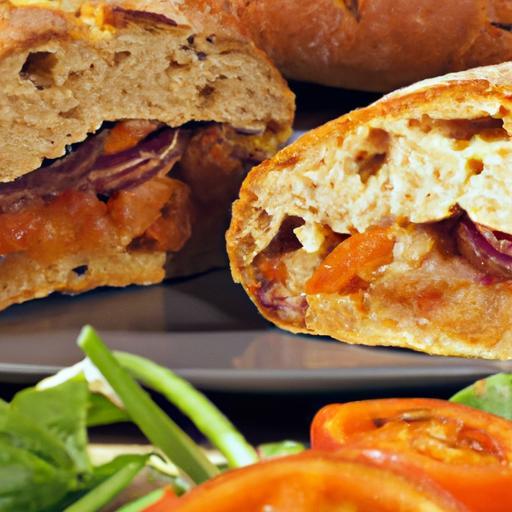
In a world increasingly focused on sustainability and mindful consumption, the kitchen has become a playground for innovation-and sometimes, a battlefield against food waste. Enter garbage bread: an unexpectedly delightful way to transform leftover scraps and forgotten bits into a scrumptious, nourishing meal. This inventive recipe not only embraces the ethos of waste-not,want-not but also challenges the notion that leftovers belong only in the compost bin or the fridge’s shadowy corners. Curious how you can turn odds and ends into golden, crispy slices of satisfaction? Join us as we dive into the art of making garbage bread, where creativity meets conscience and every crumb counts.
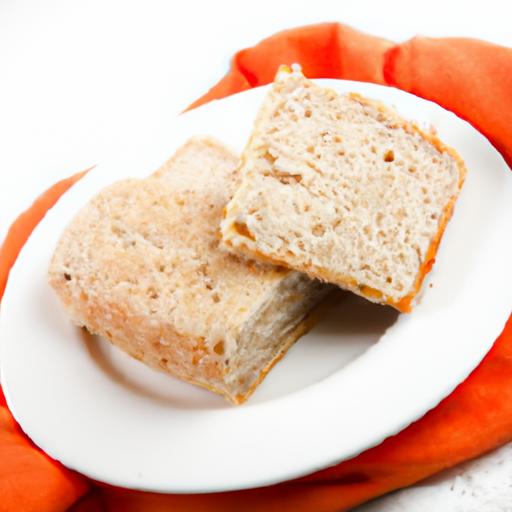
How to make garbage bread is an inspiring journey from overlooked kitchen scraps to a warm, comforting loaf that’s as sustainable as it is appetizing.This recipe unites creativity with resourcefulness,transforming bits of leftover vegetables,stale bread pieces,and simple pantry staples into a nourished dough brimming with flavor and texture. Weather you’re an adventurous home cook or a seasoned bread baker, this scrap-to-meal treat invites you to deepen your thankfulness of fermentation and rising techniques that work magic, turning humble ingredients into gold.
Prep and Cook Time
- Readiness: 20 minutes
- Fermentation & rising: 3 hours
- Baking: 35 minutes
- Total Time: Approximately 4 hours
Yield
Yields one rustic loaf (serves 6-8 slices)
Difficulty Level
Medium – perfect for those comfortable with basic bread-making but open to experimenting with fermentation.
Ingredients
- 1 cup mixed vegetable scraps (carrot peels, onion ends, celery leaves, finely chopped)
- 2 cups all-purpose flour, sifted
- 1/2 cup stale bread crumbs (preferably from crusty bread)
- 1 tsp active dry yeast
- 1 tsp salt
- 1 tbsp olive oil
- 3/4 cup warm water (about 110°F/43°C)
- 1 tsp sugar
- Optional: 1 tbsp fresh herbs (thyme, rosemary), finely chopped
Instructions
- Prepare Your Scraps: Gently sauté the mixed vegetable scraps in a pan with olive oil over medium heat until fragrant and slightly golden, about 5-7 minutes. This step draws out moisture and enhances savory depth-avoid burning by stirring frequently.
- Activate the Yeast: In a small bowl, combine warm water with sugar and yeast. Stir lightly and let stand for 10 minutes until frothy, signaling the yeast is alive and ready to work its rise magic.
- Mix the Dry Ingredients: In a large bowl, whisk together the all-purpose flour, stale bread crumbs, and salt. If using herbs,sprinkle them in now to infuse flavor directly into the dough.
- Create the Dough: Add the sautéed vegetable scraps and olive oil to the dry mix, then pour in the yeast mixture. Using a wooden spoon or your hands, stir until a shaggy dough forms.
- Knead with Care: Transfer dough to a floured surface. Knead for about 8-10 minutes until you achieve a smooth, slightly elastic texture. don’t rush; this step develops the gluten network essential for a strong rise and tender crumb.
- First Rise: Place dough in a lightly oiled bowl, cover with a damp cloth, and leave in a warm spot. Allow the dough to double in size, about 2 hours. For a deeper flavor, try fermenting overnight in the fridge.
- Shape and Second Rise: Gently deflate the dough and form into a rustic round loaf. Place on a parchment-lined baking sheet, cover loosely, and rise for another hour until puffed.
- Bake for a Crispy Golden Finish: Preheat the oven to 450°F (230°C). Just before baking, slash the dough surface with a sharp knife to allow controlled expansion. Bake for 30-35 minutes until crusty and golden brown. To boost crust crispiness, place an oven-safe pan with water at the bottom of the oven to create steam.
- Cool and Slice: remove from oven and cool on a wire rack for at least 30 minutes to set the crumb and prevent gumminess before cutting.
Tips for Success
- Scrap Selection: Avoid watery scraps like cucumber or overly fibrous items like corn husks; denser veggies enhance moisture control without sogginess.
- Fermentation Matters: Patience delivers perfect fermentation results-if time allows, cold-proofing enhances depth of flavor and keeps crumbs moist.
- Stale Bread Breadcrumbs: These add a subtle crunch and reduce waste; alternatively, finely ground oats or cooked grains can enrich texture.
- Flavor Variations: Sprinkle in seeds like sesame or poppy on the dough surface before baking for extra visual appeal and nutty notes.
- Make-Ahead: Dough can be refrigerated after the first rise; just allow it to reach room temperature and puff before baking.
Serving Suggestions
Serve slices of this hearty bread warm, slathered liberally with whipped herb butter or creamy goat cheese. Garnish with fresh herb sprigs or a drizzle of chili-infused olive oil to elevate its rustic charm. It pairs beautifully with roasted vegetable soups and fresh green salads, making it a versatile companion for any meal.

| Nutrient | Per Slice (approx.) |
|---|---|
| Calories | 140 kcal |
| Protein | 4 g |
| Carbohydrates | 26 g |
| Fat | 2 g |
For those eager to explore fermentation further, our comprehensive sourdough baking guide offers deeper insights. Learn why fermentation unlocks flavor and digestibility from culinary experts like King Arthur Baking, a trusted authority in bread science.
Q&A
Q&A: How to Make Garbage Bread – A delicious Scrap-to-Meal Recipe
Q1: What exactly is garbage bread?
A1: Garbage bread is a fun, creative way to transform leftover scraps and odds-and-ends from your fridge into a savory, satisfying bread-based dish. Think of it as a culinary collage, where bits of veggies, cheese, herbs, and sometimes even meats come together inside a golden, crispy bread crust. It’s sustainability and flavor in one!
Q2: Why is it called “garbage” bread?
A2: The name “garbage bread” playfully nods to the idea of using “leftover bits” or “kitchen scraps” that often get tossed away. Rather of letting them go to waste, this recipe embraces them, turning potential garbage into gastronomic gold. It’s all about resourcefulness and reducing food waste.
Q3: What kind of scraps can I use for garbage bread?
A3: Almost anything goes! Common scraps include diced onions, peppers, leftover cooked veggies, shredded cheese, herbs, garlic, and bits of cooked meat or tofu.Even small amounts of pesto, tomato sauce, or olives can elevate the flavor. Just aim for a balanced mix so your bread isn’t soggy or overpoweringly salty.Q4: What type of bread works best for this recipe?
A4: Choose a sturdy bread with a decent crust, like a baguette, sourdough boule, or even a thick sandwich loaf. The bread acts as the “vessel” for your fillings, so you want something that can hold up to moisture and heat without turning mushy.
Q5: How do I prepare garbage bread?
A5: The process is simple and forgiving: hollow out the inside of your bread loaf, saving the crumb for other uses like breadcrumbs. Mix your chosen scraps with cheese, herbs, and a little olive oil or sauce. Stuff the mixture into the hollowed bread, wrap it tightly in foil, and bake until the filling is hot and melty, and the bread crust turns golden and crispy.
Q6: Can garbage bread be made vegan or gluten-free?
A6: Absolutely! Swap out cheese for vegan alternatives or nut-based spreads, and ensure your bread is gluten-free if needed. Fillings can be customized entirely to your dietary preferences, making garbage bread a wildly versatile meal.
Q7: What makes garbage bread so delicious despite the humble name?
A7: It’s all about the medley of flavors and textures! Crispy bread, gooey cheese (or cheese option), aromatic herbs, and the zing of fresh or roasted veggies meld together beautifully. Plus, there’s a certain delight in knowing you crafted a tasty meal from what might have been discarded.
Q8: How can I serve garbage bread?
A8: Garbage bread works great as a snack, appetizer, or even a main dish paired with a fresh salad or soup. Slice it into wedges for sharing or enjoy a cozy,handheld meal. Leftovers can be reheated or even toasted up again for maximum crunch.Q9: Any tips for first-timers?
A9: Start with simple fillings and don’t overstuff the bread to avoid sogginess. Use flavorful cheese or sauce to bind everything together.Keep an eye on baking time to get that perfect crisp crust without burning. And most importantly, have fun experimenting – part of garbage bread’s charm is embracing imperfections and surprises!
Q10: Where did the idea of garbage bread originate?
A10: Garbage bread draws inspiration from traditional “scrap” cooking and recipes like stuffed bread, hobo bread, or even bubble bread, which all transform small leftovers into hearty meals. It’s a reflection of thrifty, creative home cooking that values every bite.
Ready to turn your “garbage” into gourmet? Gather those scraps, grab a loaf, and bake your way to a delicious, eco-amiable treat!
To wrap It Up
Transforming scraps into a satisfying meal might just be the culinary adventure your kitchen has been craving. Garbage bread isn’t about waste-it’s about wonder, turning overlooked leftovers into a warm, flavorful delight that nourishes both body and planet.So next time you face a handful of odds and ends, remember: with a sprinkle of creativity and a dash of resourcefulness, your scraps can rise to delicious new heights. Embrace the art of garbage bread, and let every crumb tell a story of sustainability, thrift, and tasty innovation. Happy baking!