
There’s a certain magic that happens when simple ingredients-flour, water, salt, and a whisper of wild yeast-come together in a humble loaf of peasant bread. Rustic, hearty, and steeped in tradition, this timeless staple has nourished generations and anchored countless tables with its warm, earthy presence. Mastering the art of peasant bread baking is more than just following a recipe; it’s an invitation to connect with the past, to embrace imperfection, and to unlock the soulful rhythms of fermentation and fire. In this article, we’ll explore the secrets behind crafting rustic charm from straightforward ingredients, transforming everyday baking into a ritual that celebrates both patience and passion. Whether you’re a seasoned baker or a curious beginner, prepare to embark on a journey where simplicity meets artistry in the crusty, golden heart of peasant bread.
rustic Charm: Mastering the Art of peasant Bread Baking
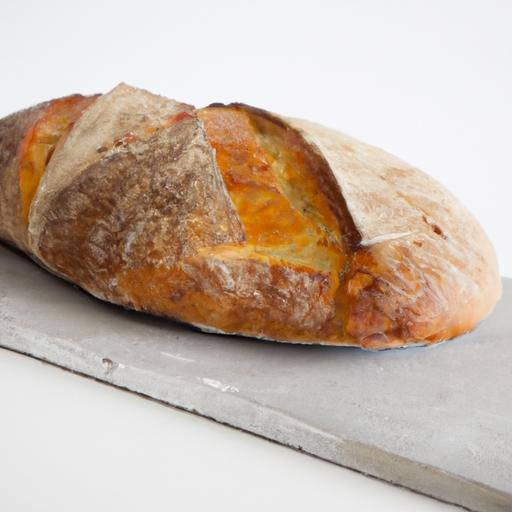
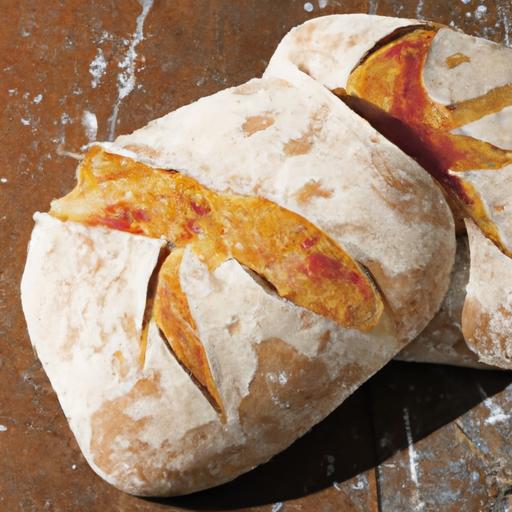
Rustic charm is captured perfectly in the soul of traditional peasant bread dough. This humble loaf, born from centuries of rural kitchens, is a festivity of whole grain flours and slow, natural fermentation. It’s a bread that tells stories-of simple ingredients transformed into golden crusts and open crumb interiors that invite you to tear, taste, and share.
Prep and Cook Time
- Prep Time: 30 minutes (plus fermentation and resting time)
- Cook Time: 40 minutes
- Total Time: Approximately 18 hours (including fermentation)
Yield
One hearty rustic loaf, serving 8 slices.
Difficulty Level
Medium – Perfect for home bakers eager to embrace natural techniques.
Ingredients
- 2 cups whole wheat flour, freshly milled if possible
- 1 cup rye flour, for depth and rustic texture
- 1 cup bread flour, for strength and gluten development
- 1 ½ cups lukewarm water (about 75°F/24°C)
- 1 teaspoon fine sea salt
- ½ cup active natural sourdough starter (or natural yeast culture)
- Optional: 1 tablespoon honey or molasses for slight sweetness
Instructions
- Mix the flours and salt: In a large bowl, combine whole wheat, rye, and bread flour with sea salt. Stir gently, ensuring even salt distribution.
- Activate your starter: In a separate bowl, whisk the sourdough starter with lukewarm water and honey (if using). Let it rest for 10 minutes until bubbly and active.
- Form the dough: Pour the liquid mixture into the dry ingredients. Stir with a wooden spoon until just combined-don’t overmix. The dough will be sticky and shaggy.
- Autolyse rest: cover the bowl with a damp cloth and let the dough rest for 45 minutes. This step allows the flour to hydrate fully, enhancing gluten development and flavor.
- Stretch and fold: Every 30 minutes for the next 2 hours, gently stretch and fold the dough inside the bowl 3-4 times. This builds strength without intensive kneading.
- Bulk fermentation: Cover and allow the dough to ferment at room temperature (around 70°F/21°C) for 12-16 hours, until noticeably risen and dotted with bubbles.
- Shape the loaf: Lightly flour your work surface. Gently turn the dough out, stretch it into a round shape, then fold edges to the center to create surface tension. Place loaf seam side down on a floured proofing basket or linen-lined bowl.
- Final proof: cover and let dough rise for 2 hours at room temperature or refrigerate overnight for even more flavor complexity.
- Preheat oven and Dutch oven: Place your Dutch oven inside your oven and preheat to 475°F (246°C) for at least 30 minutes before baking.
- Score and bake: Carefully turn the dough onto parchment paper, score the top with a sharp blade to control expansion, then transfer into the hot Dutch oven.Bake covered for 20 minutes, then remove the lid to bake an additional 20 minutes or until deep golden crust forms.
- Cool wholly: Let the bread rest on a wire rack for at least 1 hour before slicing. This allows the crumb to set beautifully.
Tips for Success: Embracing the Rustic Charm
- Whole grain flours: Use freshly milled flour if possible to unlock more flavor and nutrients. Whole rye adds earthiness and natural sweetness but can make dough denser, so balance with bread flour.
- Hydration matters: The dough will be wetter than typical white bread; this moisture contributes to the open crumb and chewy texture.
- Natural fermentation: patience here is key. The long rise ensures acidity and flavor complexity. Using a sourdough starter also improves shelf life naturally.
- Crust perfection: Baking inside a Dutch oven traps steam, keeping the crust crisp and beautifully blistered. If you don’t have one, place a tray of hot water on the oven bottom for steam.
- Make-ahead: After shaping, you can refrigerate the dough overnight. This not only improves flavor but also fits busy schedules.
Serving Suggestions
Slice this loaf thick and serve warm with artisanal butter or drizzled with extra virgin olive oil and flaky sea salt. Its rustic nature pairs beautifully with sharp cheeses, smoky cured meats, or chunky vegetable stews. For an inviting table, garnish with fresh herbs like rosemary or thyme, and a scattering of toasted seeds above the crust before baking adds delightful crunch and character.

| nutrient | Per Slice (1/8 loaf) |
|---|---|
| Calories | 190 kcal |
| Protein | 6 g |
| Carbohydrates | 36 g |
| Fat | 1 g |
Explore more about sourdough starters and their care in our Guide to Sourdough Starters, and learn the science behind natural fermentation at The Kitchn.
Q&A
Q&A: Rustic Charm – mastering the Art of Peasant Bread Baking
Q1: what exactly is peasant bread, and why is it enjoying a resurgence today?
A1: Peasant bread is the humble, hearty loaf born from simple ingredients-flour, water, salt, and wild yeast-crafted without frills but rich in tradition. It’s a reflection of rural life, where bread was sustenance and soul. Today, amid the buzz of artisan baking and a yearning for authenticity, peasant bread is celebrated for its rustic crust, open crumb, and the soulful connection it fosters between baker, ingredients, and surroundings.
Q2: What makes peasant bread different from other artisanal breads?
A2: Unlike refined breads that ofen rely on commercial yeasts and precision, peasant bread embraces natural fermentation, often using sourdough starters or wild yeasts. It’s less about perfection and more about character-the unpredictable bubbles, the crackly crust, the aroma of a bygone era. Its texture is chewy yet tender, and its flavor carries subtle tangs that tell a story of time and patience.
Q3: How important is the flour choice in peasant bread baking?
A3: Flour is the soul of peasant bread. Traditionally,it’s a blend of whole grain and white flours,or what local harvests provide-often stone-ground,unbleached,and retaining that lovely bran and germ. This rougher flour gives the bread its nutty depth and rustic crumb. Choosing flour with some character ensures the bread isn’t just nourishment but a slice of terroir.
Q4: Can beginners successfully bake peasant bread at home?
A4: Absolutely! Peasant bread is forgiving, making it an excellent gateway into the world of rustic baking. its simplicity encourages experimentation with hydration, folding techniques, and fermentation times. Patience and intuition become your best tools-watching the dough rise, feeling its pliability, smelling its tangy promise. With practice, the oven becomes a bridge between you and centuries of baking heritage.
Q5: What are the key steps to mastering peasant bread baking?
A5: Start with a vigorous yet simple mix of flour, water, salt, and leaven (like a sourdough starter). Allow a slow, ambient fermentation to develop flavor-a process that can take hours or even overnight. Embrace gentle folds rather of aggressive kneading to build gluten strength while preserving air pockets. Bake on a preheated stone or dutch oven to capture steam and achieve that signature crisp crust. Lastly, let the bread rest-cooling unleashes its full aroma and texture.
Q6: How do environmental factors influence the baking of peasant bread?
A6: Peasant bread is as much a product of its surroundings as its ingredients. Ambient temperature, humidity, and even the microbes in your environment shape fermentation and flavor development. This terroir affect means no two loaves are identical, inviting bakers to adapt and connect intimately with their kitchen’s ecosystem.
Q7: What makes the crust of peasant bread so captivating?
A7: That crackling, golden crust is the hallmark of rustic charm. It forms through high baking heat combined with steam, which gelatinizes the dough’s surface before it browns and hardens.The crust contrasts delightfully with the chewy interior, offering a sensory experience that’s both tactile and aromatic-like holding a warm whisper of history in your hands.
Q8: Any tips for serving and enjoying peasant bread?
A8: Peasant bread shines alongside simple accompaniments-fresh butter, local cheeses, vibrant jams, or a drizzle of olive oil. Its robust texture holds up beautifully to hearty stews, rustic sandwiches, or as an invitation to savor the purity of good bread on its own.Slice it thick, inhale deeply, and let each bite transport you to a sun-dappled farmhouse kitchen.
Embracing peasant bread baking is more than a culinary endeavor-it’s a dance with tradition, nature, and craft. With flour-dusted hands and a patient heart, anyone can master this art and bring a slice of rustic charm into their home table.
The Conclusion
Embracing the art of peasant bread baking is more than just mastering a recipe; it’s a journey into the heart of rustic charm and timeless tradition. With flour-dusted hands and a patient spirit, you unlock the simple magic that transforms humble ingredients into a crusty, golden loaf bursting with character. Whether you’re a seasoned baker or a curious newcomer, each loaf tells a story-of earth, fire, and the quiet joy found in homemade nourishment. So, gather your ingredients and let the ancient rhythms of kneading and rising guide you. In the warmth of your kitchen, discover how peasant bread brings not only flavor but a soulful connection to the past, crafted lovingly into every bite.