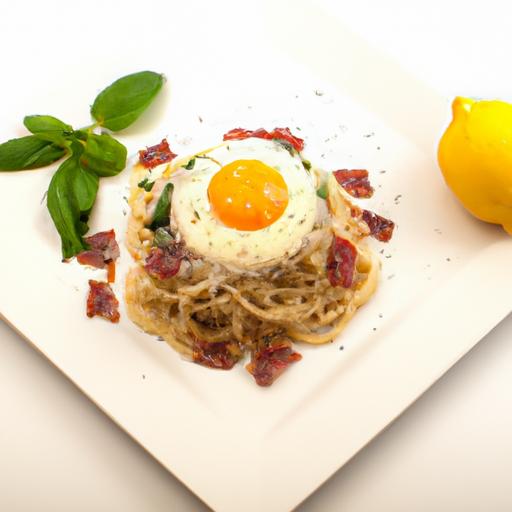

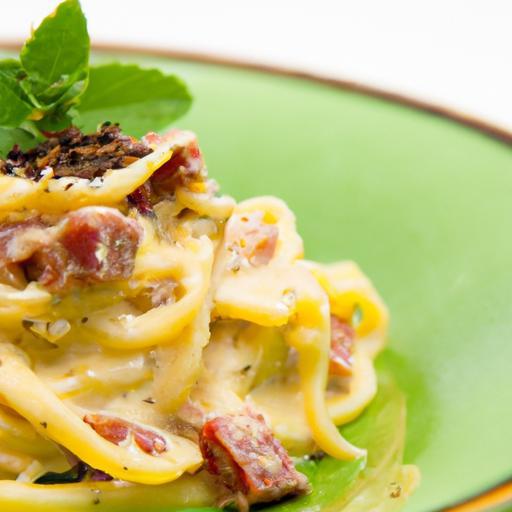
There’s a certain magic that transforms a humble plate of pasta into an unforgettable culinary masterpiece, and few dishes embody this enchanting alchemy quite like classic spaghetti carbonara. Behind its seemingly simple ingredients lies a delicate dance of technique, timing, and tradition – secrets passed down through generations of Italian cooks, waiting to be uncovered. In this article, we embark on a flavorful journey to unlock the mysteries of carbonara mastery, revealing the subtle nuances and expert tips that elevate this iconic Roman dish from everyday comfort food to a sublime experience worthy of any table. Whether you’re a seasoned chef or a passionate home cook, prepare to delve deep into the art and science of perfecting the creamy, savory allure of true spaghetti carbonara.
Unlocking the secrets of classic Spaghetti Carbonara mastery begins with selecting every ingredient thoughtfully to honor its Roman heritage.This dish, simple yet elegant, hinges on authentic components that create a harmonious balance of creaminess and texture without relying on cream-a common misconception that obscures traditional technique.
Prep and Cook Time
- Readiness time: 10 minutes
- Cooking Time: 15 minutes
- Total Time: 25 minutes
Yield
- Serves 4 generous portions
Difficulty Level
- Medium – requires attention to timing and temperature for perfect sauce texture
Ingredients
- 400g (14 oz) spaghetti,preferably Italian durum wheat pasta
- 150g (5 oz) guanciale,thinly sliced (substitute pancetta if unavailable)
- 3 large fresh eggs (use only yolks for a richer sauce)
- 1 cup freshly grated Pecorino Romano cheese
- Freshly ground black pepper,to taste
- Pinch of fine sea salt (sparingly for pasta water)
Instructions
- Prepare the pasta water: Bring a large pot of salted water to a boil. Salt it generously, as this seasons the pasta internally.
- Cook the guanciale: in a large skillet over medium heat, add the guanciale slices. Stir occasionally and cook until golden brown and crisp, about 5-7 minutes. Remove from heat and set aside, reserving the flavorful fat.
- Boil the pasta: Add spaghetti to boiling water and cook until just al dente (about 1-2 minutes less than package instructions).
- Mix eggs and cheese: In a bowl,whisk together the egg yolks and grated Pecorino Romano until smooth. Add a generous amount of freshly ground black pepper-this is crucial for authentic flavor.
- Combine pasta and guanciale: Using tongs, transfer pasta directly from water to the skillet with guanciale fat (reserve some pasta water). Toss vigorously to coat each strand in the rendered fat.
- Create the carbonara sauce: Remove skillet from heat. Slowly add the egg and cheese mixture, tossing constantly to avoid scrambling.Add reserved pasta water in small amounts to achieve a creamy, silky texture.
- Adjust seasoning: Taste and add more black pepper or Pecorino Romano as desired. Serve instantly while the sauce is at its peak creaminess and warmth.
Tips for Success
- Use guanciale whenever possible. Its rich, porky flavor and fat render beautifully to form the sauce’s base.
- Never add cream; the heat from the pasta gently cooks the eggs,and cheese emulsifies with rendered fat,creating natural creaminess.
- Work quickly when combining pasta and egg mixture-this prevents eggs from scrambling and preserves a smooth sauce.
- Reserve pasta water-it’s the secret liquidity that binds the sauce and pasta beautifully.
- black pepper is aromatic and pungent; don’t be shy with it.
- For best results, use freshly grated Pecorino Romano rather than pre-grated; it melts better and delivers fuller flavor.
- Make ahead: cook guanciale and store separately. Reheat gently before tossing with freshly cooked pasta and sauce.
Serving suggestions
Present your classic carbonara on warm plates to keep the sauce luscious. Garnish with an extra sprinkle of Pecorino Romano and a final dusting of coarsely cracked black pepper for visual contrast. Pair with a crisp Italian white wine like Frascati or Verdicchio to balance the rich flavors.
For an elevated experience, serve alongside a simple arugula salad dressed with lemon and olive oil. the peppery greens cut through the dish’s unctuousness delightfully.
Consider plating with a rustic, torn focaccia or sliced ciabatta to mop up every last silky drop.

| Nutrient | Per serving |
|---|---|
| Calories | 520 kcal |
| Protein | 22g |
| Carbohydrates | 58g |
| Fat | 18g |
For further inspiration, explore our collection of classic Italian pasta recipes and deepen your understanding of italian culinary tradition. To learn about the history and authenticity of guanciale, visit this trusted source on Italian cured meats.
Q&A
Q&A: Unlocking the Secrets of Classic Spaghetti Carbonara Mastery
Q: What makes classic spaghetti carbonara so beloved around the world?
A: At its heart, classic spaghetti carbonara is a party of simplicity and harmony. With just a handful of humble ingredients-pasta, eggs, Pecorino Romano, guanciale, and black pepper-it creates a luxurious, velvety sauce that coats each strand perfectly.It’s comfort food that feels both rustic and refined, embodying the soul of Roman cuisine.
Q: Why is guanciale considered the gold standard for carbonara instead of other cured meats?
A: Guanciale, cured pork jowl, brings a unique balance of rich fat and smoky, slightly sweet flavor that pancetta or bacon simply can’t match. When rendered slowly, its luscious fat melts into the pasta, lending that signature silky texture and deep umami punch essential for authentic carbonara mastery.
Q: How do eggs transform into a smooth, creamy sauce without scrambling?
A: This is where technique reigns supreme. The secret lies in gently tempering the eggs off the heat with the hot pasta, stirring briskly to create an emulsion. The residual warmth cooks the eggs just enough to thicken them into a silky cloak, avoiding curdling and achieving that iconic glossy finish.
Q: Can you use parmesan rather of Pecorino Romano?
A: While Parmesan is a worthy substitute in a pinch, Pecorino Romano’s sharp, tangy profile is what truly defines classic carbonara’s character. Its assertive salty bite contrasts beautifully with the richness of eggs and pork,giving the dish its unmistakable Roman authenticity.
Q: How critically important is the choice of pasta shape in carbonara?
A: Traditionalists opt for spaghetti as its long,smooth strands capture the creamy sauce effortlessly,allowing for an elegant bite. However, some regions experiment with bucatini or rigatoni, wich also cling beautifully to the luscious sauce, adding slight variations in texture and experience.
Q: What common mistakes should be avoided when making carbonara?
A: The biggest pitfalls include overheating the eggs,resulting in a scrambled texture,and adding cream,which dilutes the classic essence. Also, overcooking the guanciale or pasta can cause a loss of flavor and texture. Precision and patience are key to unlocking carbonara’s full potential.Q: How can one elevate their carbonara beyond the classic recipe?
A: Once comfort with the basics is achieved, chefs might experiment with different cheese blends, infusing black pepper with subtle additions like crushed red pepper flakes or even truffle shavings for decadence. Some embrace artisanal pastas or heirloom eggs to subtly enhance texture and flavor without straying too far from tradition.
Q: Why does carbonara continue to inspire both home cooks and chefs worldwide?
A: Carbonara’s timeless appeal lies in its perfect marriage of effortless technique and rich, satisfying flavor. It’s a dish that invites creativity without demanding complexity, a tribute to the beauty of quality ingredients and culinary balance. Each plate tells a story of Roman heritage,inviting cooks to partake in a appetizing tradition.
To Conclude
As you close this chapter on classic spaghetti carbonara, remember that mastery is less about rigid rules and more about understanding the harmony between simple ingredients. Each silky strand of pasta, each creamy egg yolk, and each crisp shard of guanciale tells a story passed down through generations. By unlocking these secrets, you don’t just cook a dish-you connect with a timeless tradition, savoring the rich heritage nestled in every bite. So, roll up your sleeves, embrace the art of balance, and let your kitchen become a sanctuary where classic carbonara transforms from recipe to memory. Buon appetito!