
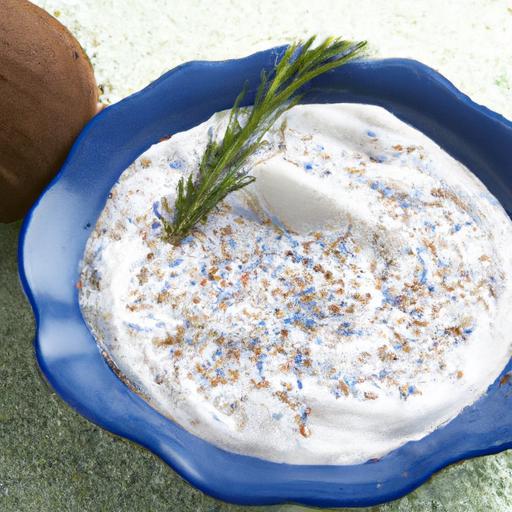
Step into the world of luscious textures and tropical flavors with coconut yogurt-a creamy,dairy-free delight that’s capturing taste buds and redefining what yogurt can be. Beyond its silky smoothness and subtle sweetness lies a story of innovation, healthful benefits, and culinary versatility waiting to be uncovered. Whether you’re a seasoned vegan, lactose-intolerant, or simply curious about choice probiotics, this delicious treat offers more than just a dairy-free option; it’s a gateway to a vibrant, plant-powered lifestyle. Join us as we peel back the layers of coconut yogurt, exploring how it’s made, what makes it special, and why it’s quickly becoming a fridge staple around the globe.
Coconut yogurt uncovered reveals a luscious, dairy-free delight that combines creamy texture with vibrant health benefits, making it a refreshing staple in any kitchen. Originating from tropical regions where coconut trees flourish, this probiotic-rich treat has captivated food lovers for its subtle sweetness and velvety consistency. Unlike conventional dairy yogurts, coconut yogurt delivers a welcome alternative for those seeking plant-based and gut-amiable options without sacrificing flavor or nutrition.
Prep and Cook Time
- Readiness Time: 15 minutes
- Fermentation Time: 24 to 48 hours
- Total Time: Approximately 2 days
Yield
Yields about 4 cups (1 quart) of coconut yogurt.
Difficulty Level
medium: Requires patience with fermentation but simple techniques.
Ingredients
- 2 cans (13.5 oz each) full-fat coconut milk, well shaken
- 1 tablespoon pure maple syrup or raw honey (for fermentation nourishment)
- 1 probiotic capsule (or 3 tablespoons plain dairy-free yogurt with live cultures)
- 1 teaspoon agar-agar powder (optional for creamier texture)
- 1/2 teaspoon vanilla extract (optional, for flavor)
Instructions
- Sanitize your fermentation jar by rinsing it with boiling water or sterilizing it, ensuring a clean habitat for yogurt to thrive.
- Pour coconut milk into a saucepan and gently warm over medium-low heat until it reaches about 110°F (43°C). Stir occasionally to prevent scorching.
- If using agar-agar, whisk it into the warm milk and simmer for 5 minutes until fully dissolved for added body; skip this step for thinner yogurt.
- Remove from heat and stir in the maple syrup and vanilla extract, blending flavors gently into the base.
- Open the probiotic capsule and sprinkle the contents into the warm coconut milk, stirring thoroughly but gently to evenly distribute the cultures.
- Transfer mixture to your sterilized jar, cover loosely with a cheesecloth or breathable fabric secured with a rubber band to allow airflow yet protect from contaminants.
- Place the jar in a warm, dark spot (75-85°F) for 24-48 hours. Check periodically-longer fermentation results in tangier yogurt.
- once fermented to your preference, stir gently and refrigerate for at least 6 hours to thicken and chill before serving.
Tips for Success
- Probiotic Starter Choice: Use probiotic capsules with Lactobacillus acidophilus and Bifidobacterium strains for optimal fermentation.
- Fermentation Warmth: Maintain a consistent warm environment; a yogurt maker or oven with light on can help.
- Texture Variations: For thicker yogurt, refrigerate overnight or blend in 1 tablespoon of soaked chia seeds once cooled.
- Sweetener Alternatives: Opt for coconut sugar for a lower glycemic option or skip sweeteners altogether for a tart finish.
- Batch Troubleshooting: if yogurt fails to thicken, try a new probiotic source or ensure coconut milk is full-fat and fresh.
Serving Suggestions
Enjoy this nutrient-packed coconut yogurt as a luscious breakfast bowl topped with fresh tropical fruits like mango, pineapple, and kiwi. For a crunchy contrast, sprinkle toasted coconut flakes, hemp seeds, or granola. Alternatively, swirl into smoothies for a creamy boost or dollop on spicy curries and grain bowls to mellow flavors.A drizzle of raw honey and a sprinkle of cinnamon provide a delightful garnish that enhances both presentation and taste.

Nutritional Benefits and Health Boosts
Coconut yogurt uncovered is rich in healthy fats known as medium-chain triglycerides (MCTs), which may support energy metabolism and brain function. Packed with probiotics, it nurtures gut health by promoting a balanced microbiome, enhancing digestion and immune function. Additionally,free from lactose and dairy,coconut yogurt is perfect for those with sensitivities or following vegan diets,offering essential minerals such as manganese,copper,and iron naturally found in coconut.
| Nutrient | Per 1 cup (240ml) |
|---|---|
| Calories | 150 kcal |
| Protein | 2 g |
| carbohydrates | 8 g |
| Fat | 13 g |
| Fiber | 1 g |
| Probiotics | Varies by culture used |
Choosing the Best Coconut Yogurt Brands for Your Diet
When selecting commercial options, look for brands that emphasize live and active cultures without added sugars or artificial thickeners. Labels that highlight organic, non-GMO, and sustainably sourced coconut frequently enough promise superior quality and environmental responsibility. Some beloved brands include Cultures for Health,So Delicious Dairy Free,and COYO. Comparing labels and nutrient profiles helps you align your purchase with personal dietary goals and flavor preferences.
Innovative Ways to Enjoy coconut Yogurt Every Day
Apart from straight-from-the-jar enjoyment, coconut yogurt lends itself to culinary creativity. Try incorporating it into creamy salad dressings by mixing with lemon juice, fresh herbs, and a pinch of sea salt. Use it as a tangy marinade base for tofu or tempeh, infusing tropical flair. For a wholesome dessert, layer with chia pudding and fresh berries in mason jars. Don’t miss blending it into your morning smoothie bowl or replacing mayo in sandwiches and wraps for an unexpected richness.
For more delectable dairy-free recipes infused with tropical ingredients, explore our collection of vegan delights and awaken your culinary senses.
Q&A
Q&A: coconut Yogurt Uncovered – Creamy, Dairy-Free Delight Explained
Q1: What exactly is coconut yogurt?
A1: Coconut yogurt is a luscious, dairy-free alternative to traditional yogurt made primarily from the meat and milk of coconuts. Fermented with live cultures, it transforms coconut’s natural creaminess into a tangy, probiotic-rich delight that’s both nutritious and indulgent.
Q2: How is coconut yogurt different from regular yogurt?
A2: Unlike regular yogurt, which comes from cow’s milk, coconut yogurt is entirely plant-based. It’s free from lactose and dairy proteins, making it ideal for vegans and those with lactose intolerance. The texture is often silkier and the taste has a subtle, tropical sweetness reminiscent of fresh coconut.
Q3: What gives coconut yogurt its creamy texture?
A3: The rich, fatty content of coconut milk provides natural creaminess without the need for additives.The fermentation process thickens the mixture, enhancing the smooth, velvety mouthfeel that distinguishes coconut yogurt from other plant-based yogurts.
Q4: How is coconut yogurt made?
A4: It starts by blending fresh or canned coconut milk with beneficial probiotic cultures. The mixture is then left to ferment at a warm temperature for several hours. This fermentation develops the yogurt’s characteristic tang and activates probiotics that support gut health.
Q5: What are the health benefits of coconut yogurt?
A5: Beyond being vegan and lactose-free, coconut yogurt offers probiotics that aid digestion and fortify the immune system. It also contains healthy medium-chain triglycerides (MCTs) from coconut fat, which may boost energy and metabolism. However, it’s best enjoyed as part of a balanced diet.
Q6: Can coconut yogurt be used in cooking and baking?
A6: Absolutely! Coconut yogurt’s creamy consistency makes it wonderfully versatile. It can be spooned over fruit, blended into smoothies, used as a tangy base for dressings, or swapped in for dairy yogurt in baking, adding a subtle coconut twist.
Q7: Are there any considerations when choosing coconut yogurt?
A7: Yes. While coconut yogurt is naturally creamy, some brands add thickeners or sweeteners.Choosing products with live active cultures and minimal additives maximizes health benefits. also, check sugar content if you’re monitoring sweetness levels.
Q8: How does coconut yogurt contribute to sustainability?
A8: Coconut yogurt offers an environmentally friendly alternative to dairy that generally requires fewer resources like water and land. Plus, its plant-based nature supports ethical eating choices aligned with reducing carbon footprints.
Q9: Can people with nut allergies eat coconut yogurt safely?
A9: Coconut is technically a fruit,not a tree nut,so most people with nut allergies can enjoy coconut yogurt safely. However, those with specific sensitivities should consult their allergist before trying it.
Q10: Where can I find coconut yogurt?
A10: coconut yogurt has become widely available in health food stores, supermarket refrigerated sections, and online. It’s often found alongside other plant-based dairy alternatives.
Embrace the tropical twist of coconut yogurt-where creamy indulgence meets gut-friendly goodness in a dairy-free package!
Wrapping Up
As we wrap up our journey into the world of coconut yogurt, it’s clear that this creamy, dairy-free delight isn’t just a tasty alternative-it’s a versatile powerhouse that brings both flavor and nutrition to the table. From its tropical origins and probiotic benefits to its allergy-friendly appeal, coconut yogurt invites us to rethink what a yogurt experience can be. Whether you’re a devoted dairy lover looking to explore new textures or someone embracing plant-based living, coconut yogurt stands ready to add a luscious twist to your meals and snacks. So next time you reach for a bowl of creamy goodness, consider the coconut-nature’s little secret to a deliciously healthy lifestyle.