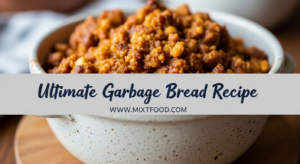

In a world where food waste looms large and creative cooking is more necessary than ever, turning yesterday’s scraps into today’s gourmet delight is nothing short of magical. Enter the ultimate garbage bread recipe-a culinary alchemy that transforms humble leftovers into a golden, crispy, and utterly delicious masterpiece. This isn’t just a way to save food; it’s an art form, a strategy for sustainability, and a celebration of flavors you never thought would harmonize. Join us as we dive into the secrets of turning forgotten bits and bobs into a loaf so enchanting, you’ll never look at your fridge scraps the same way again.
Turning leftovers into gold begins with the humble yet transformative Garbage Bread Dough-a culinary marvel that elevates every scrap in your kitchen to irresistible, golden perfection. This versatile dough embraces a medley of textures and flavors,turning forgotten bits into a feast that is both comforting and exciting.Thru mastery of this dough,the once overlooked trimmings evolve into a canvas bursting with potential,giving rise to a loaf that marries crisp crust with tender crumb like no other.
Prep and Cook Time
- Readiness: 20 minutes
- First Rise: 1 hour
- Second Rise: 30 minutes
- Baking: 35 minutes
- Total Time: Approximately 2 hours 25 minutes
Yield
Serves 8 hearty slices – perfect for sharing or meal prepping.
Difficulty Level
Medium: Ideal for bakers cozy with yeast doughs but accessible to adventurous beginners eager to experiment with leftovers.
Ingredients
- 3 ½ cups all-purpose flour, sifted
- 1 packet (2 ¼ tsp) active dry yeast
- 1 ¼ cups warm water (110°F/43°C)
- 2 tbsp olive oil, plus extra for greasing
- 1 tsp salt
- 1 tsp sugar or honey
- 2 cups mixed leftover scraps, chopped finely (e.g., cooked vegetables, shredded cheese, diced meats)
- 1 tsp dried herbs (oregano, thyme, or rosemary), optional
- 1 clove garlic, minced, optional
Instructions
- Activate the yeast: In a small bowl, combine warm water and sugar. Sprinkle the yeast over and let it sit for 5-10 minutes, until foamy and fragrant, confirming it’s active.
- Prepare the dough base: In a large mixing bowl, whisk together the flour and salt. Add olive oil, garlic (if using), and the activated yeast mixture. Stir to combine until sticky dough forms.
- Knead for texture: Turn dough onto a floured surface.Knead for 8-10 minutes until smooth, elastic, and slightly tacky. Add flour sparingly to prevent sticking but avoid overflouring.
- Incorporate scraps: Gently fold in the chopped leftover bits and dried herbs until evenly distributed. the dough will be slightly uneven but this gives unique pockets of flavor and texture.
- First rise: Lightly oil a clean bowl, place dough inside, and cover with damp cloth or plastic wrap. Let rise in a warm spot for about 1 hour or until doubled.
- Shape the loaf: Punch down dough gently to release air. Shape into a rustic oval or round loaf, placing on a parchment-lined baking sheet or greased loaf pan.
- Second rise: Cover and let rise for another 30 minutes until puffed and slightly springy.
- Bake to perfection: Preheat oven to 425°F (220°C). Slash the top several times with a sharp knife to allow steam to escape. Bake 30-35 minutes until crust is golden brown and hollow-sounding when tapped.
- Cool and serve: Transfer to a wire rack.Let cool at least 20 minutes before slicing; this resting period ensures crumb sets with the perfect moisture balance.
Tips for Success
- Customize your dough: Swap all-purpose flour with a 50/50 mix of whole wheat for an earthier bite or add a tablespoon of cornmeal for crispier crust.
- Scrap selection matters: Use well-drained leftover vegetables and cooked meats to avoid soggy dough.Cheese adds flavor but beware of over-salting.
- Don’t rush rising: Allow the dough to double at its own pace. A slow, cool rise overnight improves flavor complexity significantly-just retard in the fridge.
- Make ahead: Dough can rest covered in fridge up to 24 hours after first rise; bring to room temperature before shaping.
- watch the oven: A baking stone or steel yields better heat conduction for a crunchier crust,but a heavy pan works well too.
Serving Suggestions
This multifaceted bread shines at any occasion. Slice thick and slather with herb-infused butter, or use as a base for robust open-faced sandwiches layered with fresh greens and spreads. For an elegant appetizer, cut into bite-sized cubes and serve alongside gently warmed olive oil and balsamic vinegar for dipping. Garnish with fresh microgreens or a sprinkle of flaky sea salt for added flair. Pair with a rich, hearty stew as a palate-hugging companion that turns simple leftovers into a memorable feast.
| Nutrient | Per Slice (Approx.) |
|---|---|
| Calories | 210 kcal |
| protein | 7 g |
| Carbohydrates | 32 g |
| Fat | 5 g |

For further inspiration on using leftover ingredients creatively, check out our creative Leftover Recipes collection. To deepen your understanding of bread fermentation science, the King Arthur Flour bread guide offers invaluable insights.
Q&A
Q&A: Turning Leftovers into Gold – The Ultimate Garbage Bread Recipe
Q1: What exactly is Garbage Bread?
A1: Garbage Bread is a wonderfully inventive,no-waste recipe where you transform leftover bits and odds from your fridge into a delicious,golden loaf of bread. Think of it as a savory treasure chest, turning forgotten scraps into a mouthwatering masterpiece.
Q2: Why should I try turning leftovers into Garbage Bread?
A2: Besides reducing food waste and saving money, Garbage Bread unleashes your creativity in the kitchen. It’s a lasting way to breathe new life into nearly expired veggies, cheese, meats, and herbs, all baked into one cohesive, flavor-packed creation.
Q3: What types of leftovers work best for Garbage Bread?
A3: Pretty much anything goes! Think wilted spinach, bits of cheese, cooked meats, olives, herbs, cooked rice or grains, roasted veggies, even pesto or tapenade. The key is mixing flavors and textures that harmonize and can hold up during baking.
Q4: What ingredients do I need for the bread base?
A4: You’ll need a simple yeasted dough or a speedy bread batter as your canvas. Classic dough includes flour, water, yeast, salt, and a touch of olive oil. For a quicker option, a sturdy biscuit or cornbread batter can also work beautifully.
Q5: how do I assemble and bake Garbage Bread?
A5: After preparing your base, fold in your chopped leftovers into the dough or batter. Spread the mixture into a greased loaf pan or shape it freeform on a baking sheet. Bake until golden, crusty on the outside, and cooked through. The smell will transport you from ‘leftovers’ drab to gourmet fab!
Q6: Can Garbage Bread be vegan or gluten-free?
A6: Absolutely! use plant-based cheese and omit meats for vegan versions. for gluten-free options, substitute the flour with a blend of gluten-free flours and adjust liquid ratios. The magic lies in repurposing leftovers, so customize to your dietary needs.
Q7: Any tips for seasoning or adding extra flavor?
A7: Don’t be shy with herbs, spices, and aromatics! Garlic, rosemary, thyme, chili flakes, or smoked paprika can elevate your bread.A drizzle of olive oil or a sprinkle of sea salt on top before baking adds a gourmet finish.
Q8: How should I serve Garbage Bread?
A8: Serve warm, sliced thick with a side salad, soup, or simply as a snack. Leftover slices even make an unforgettable grilled cheese or croutons for your salads. It’s a versatile dish that shines in many ways.
Q9: Is Garbage Bread kid-friendly?
A9: Yes! Kids love the surprise element of Garbage bread-each slice holds different bites and flavors. You can tailor ingredients to avoid anything too spicy or strong, making it a fun, hands-on way to introduce them to cooking and sustainability.
Q10: Where can I find inspiration for my Garbage Bread combinations?
A10: Look to your fridge first, then inspirations from your favorite cuisines. Italian with mozzarella and sun-dried tomatoes, Mediterranean with olives and feta, or even breakfast style with bacon and cheddar. The possibilities are endless-and delicious!
Ready to turn yesterday’s scraps into today’s golden treasure? Grab your leftovers, roll up your sleeves, and let Garbage Bread work its magic!
key Takeaways
In a world where food waste is both an environmental and economic burden, turning leftovers into a glorious loaf of garbage bread isn’t just clever-it’s revolutionary. This recipe transforms the odds and ends from your fridge into golden, crusty magic that nourishes both body and wallet.So next time you face a pile of odds and ends, think twice before tossing them out. With a little creativity and a dash of culinary courage, those forgotten scraps become the stars of your kitchen. Embrace the art of turning leftovers into gold, and watch how a humble loaf can inspire a more sustainable-and delicious-way of living.